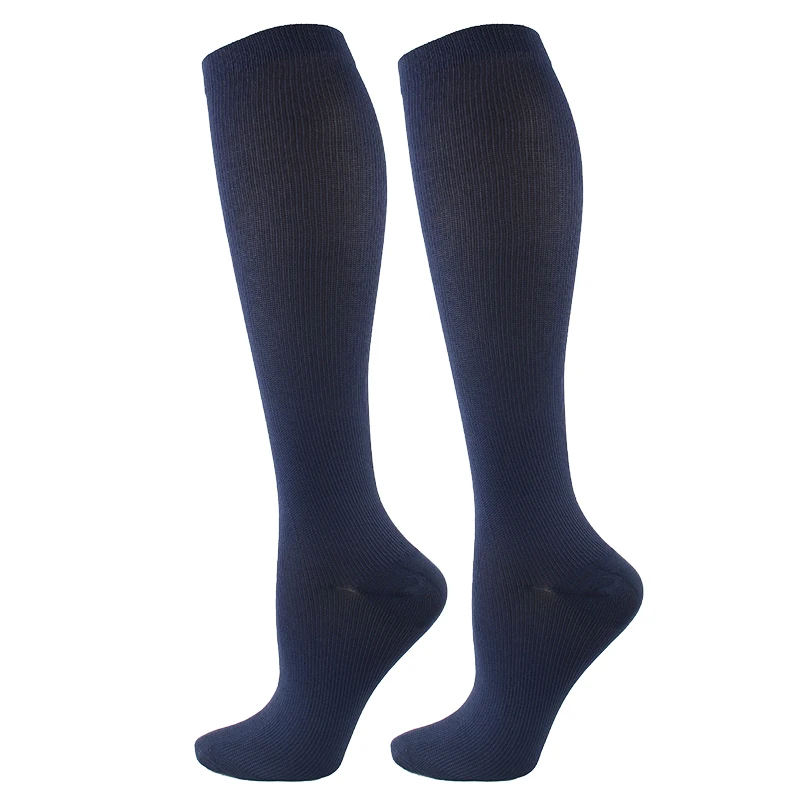
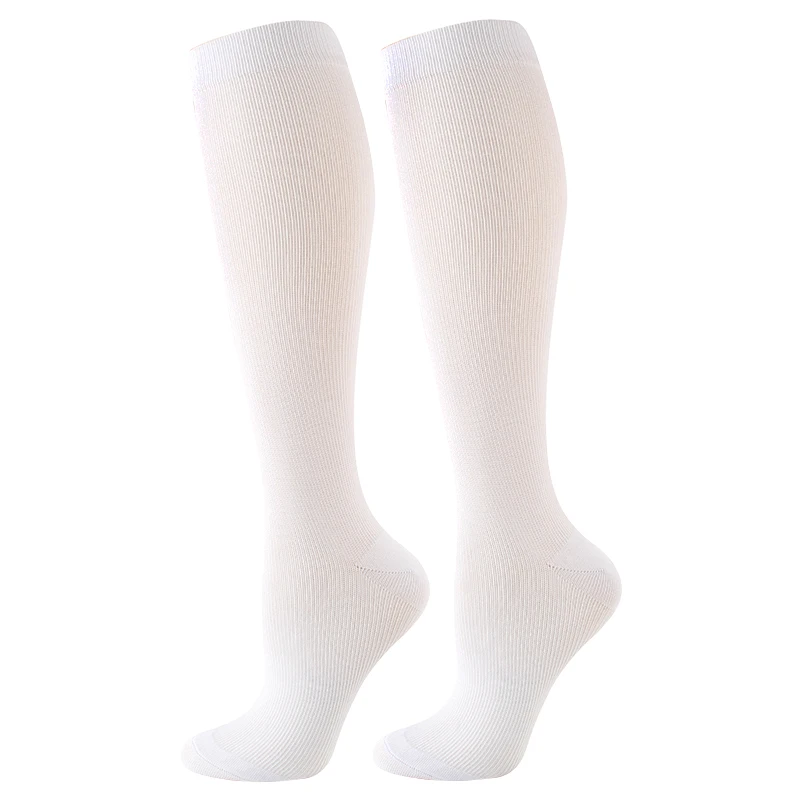
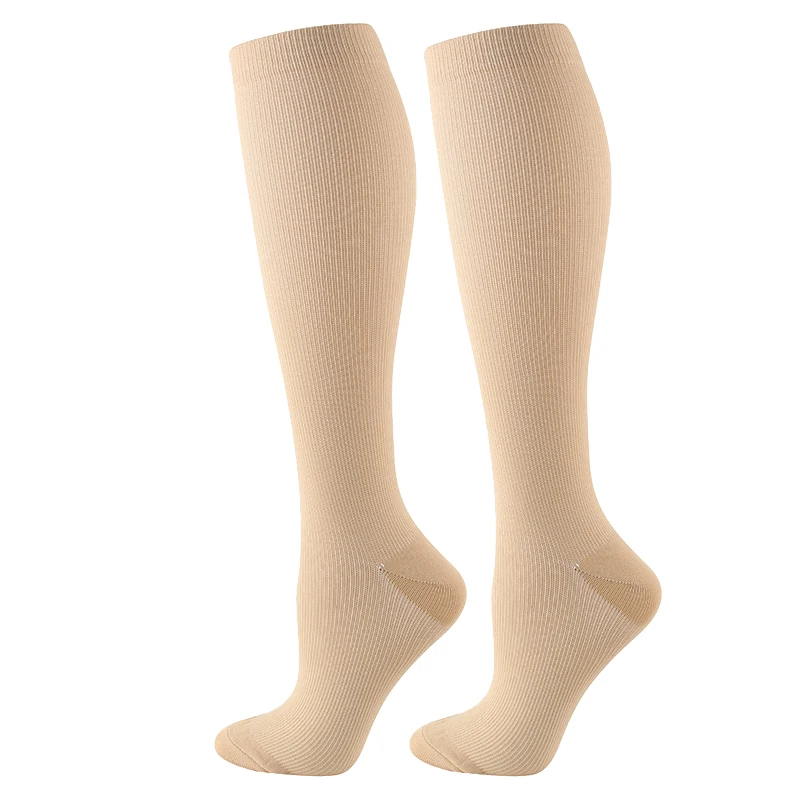
Compression Manages Varicose Veins. It Does Not Erase Them.
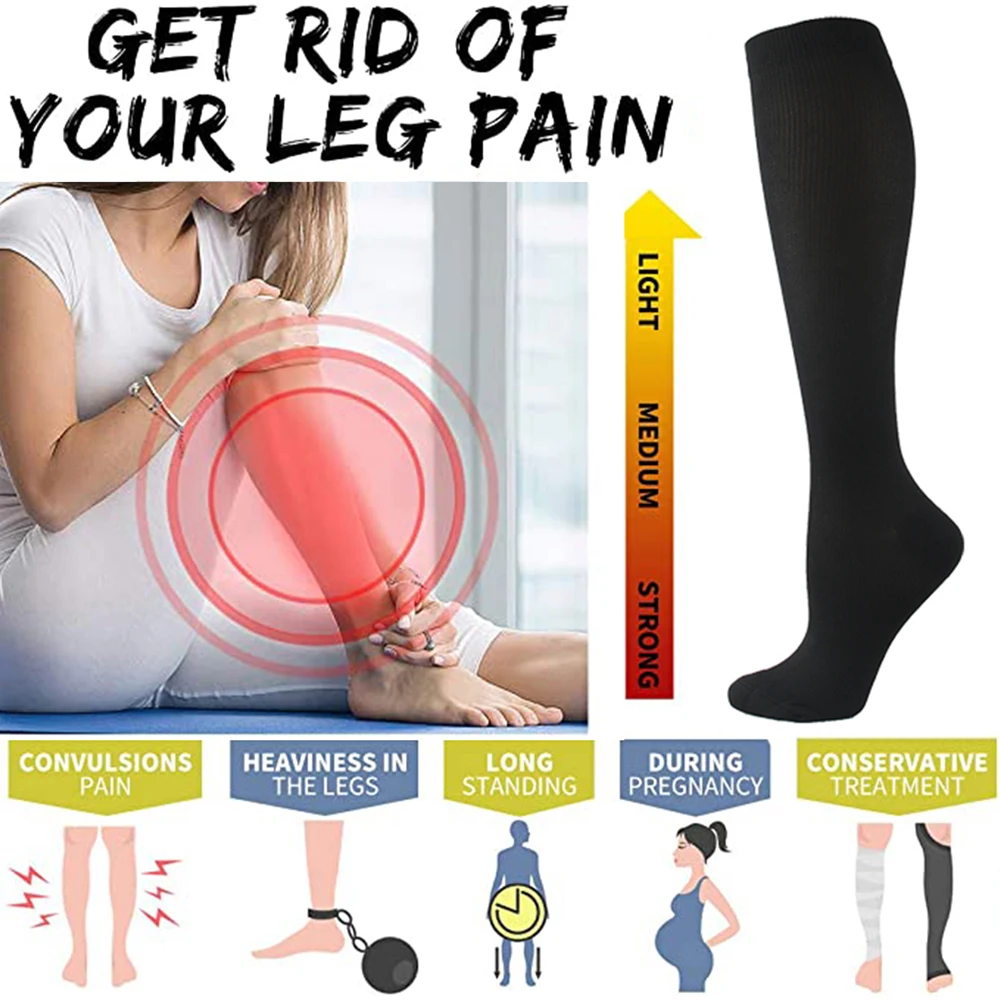
Blood in your legs has to travel upward against gravity, and it does that using one-way valves and the squeeze of your calf muscles with every step. When those valves start to leak, blood pools, venous pressure rises, and you get the familiar aching, heaviness and evening swelling. Graduated compression applies its strongest pressure at the ankle and eases progressively toward the knee, creating an external pressure gradient that narrows the vein diameter, helps failing valve leaflets meet again, and makes the calf muscle pump more efficient. That reduces pooling and symptoms. It does not repair the valves – only a vascular procedure does that.
Key Benefits
- Real symptom relief, honestly stated. Compression reliably reduces aching, heaviness and swelling in varicose veins. It does not shrink, remove or cure them, and any product claiming otherwise is lying to you. If your veins are painful, ulcerating or worsening, see a vascular doctor.
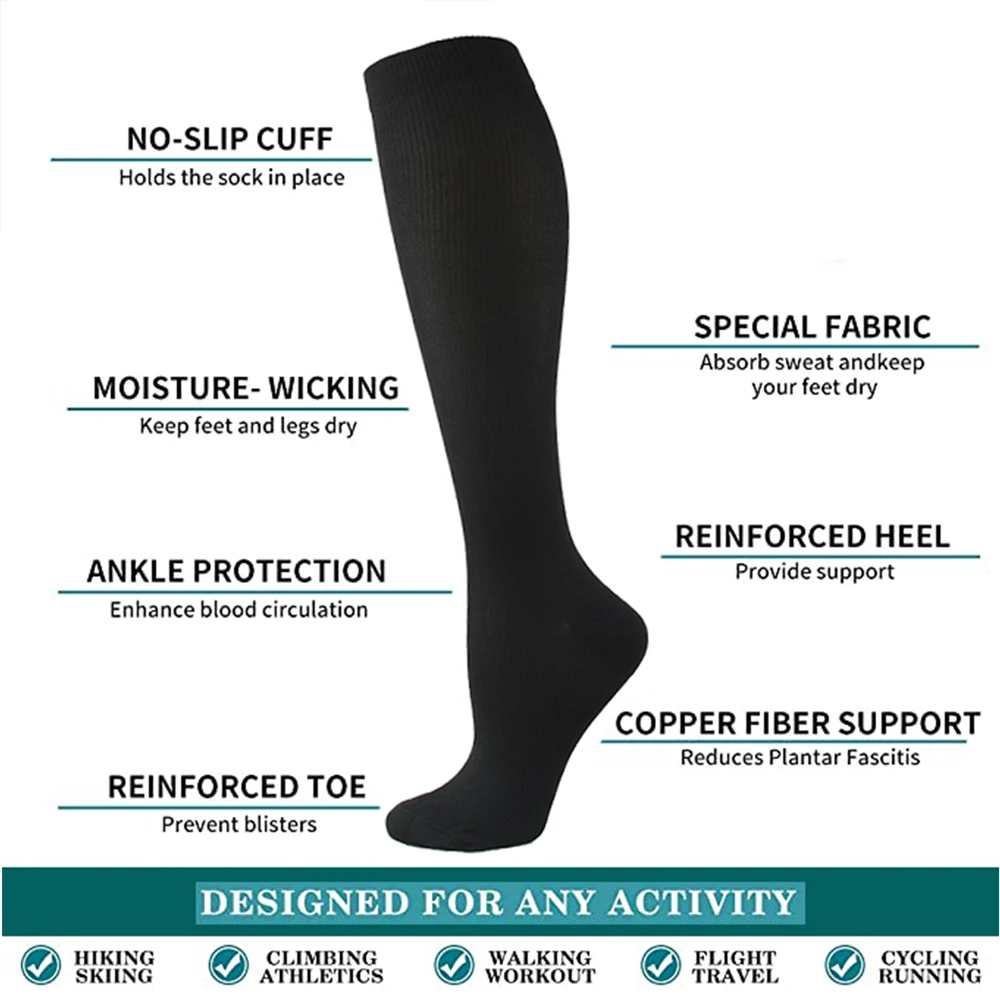
- Graduated pressure, not uniform squeeze. Tightest at the ankle and looser up the calf, which is what creates the upward gradient. A sock that squeezes evenly all over does nothing useful.
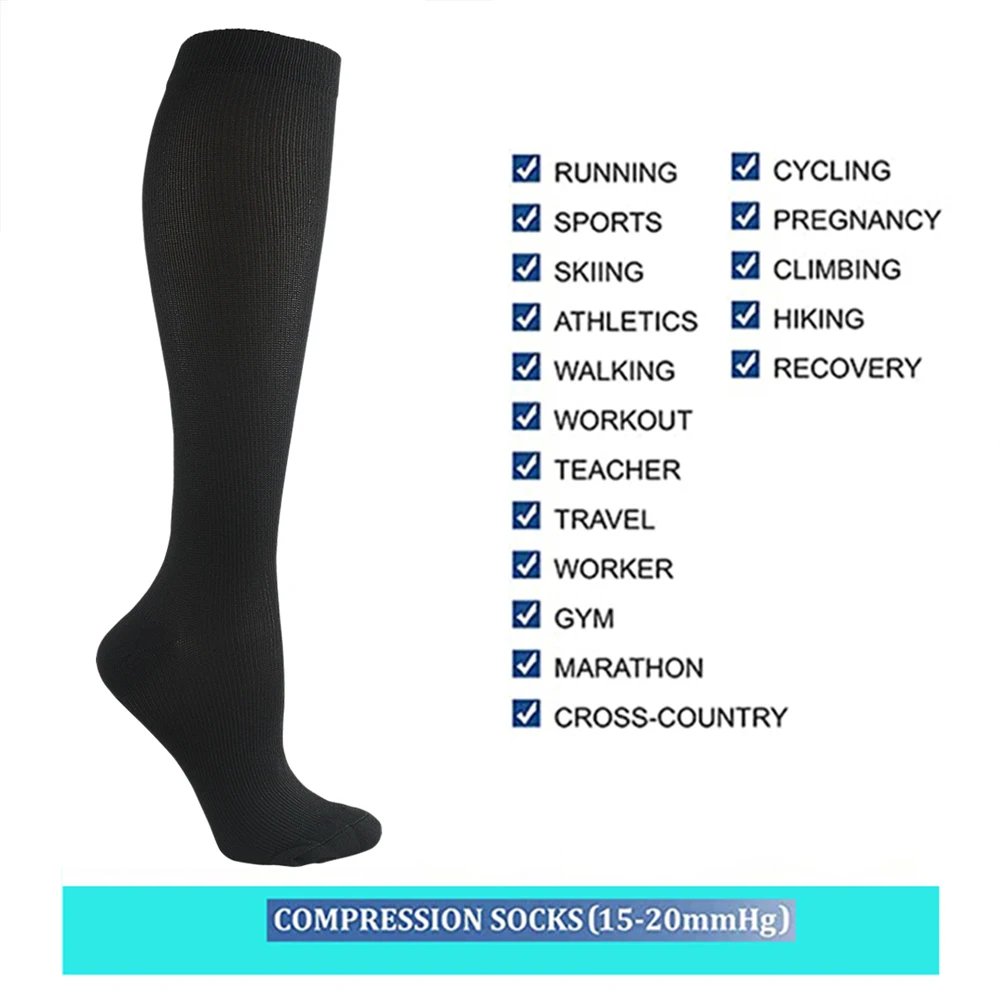
- Made for long stillness. Flights, long drives and desk days remove the calf pump from the equation entirely. Compression partly substitutes for it, which is why it is standard travel advice.
- Useful on your feet all day. Nurses, hospitality staff, teachers and anyone standing for eight hours get the same benefit – less end-of-day swelling and leg fatigue.
- Sport and recovery use. Runners, hikers, golfers and rugby players wear them for the reduced muscle vibration and the subjective feeling of fresher legs afterward.
- Breathable, everyday-wearable knit. Comfortable enough to actually keep on, which matters more than any spec – compression only works when it is on your leg.
How to Use
Put them on first thing in the morning, before you have been upright long enough for your legs to swell. Fitting a compression sock over an already swollen leg is unpleasant and less effective. Roll the sock inside out to the heel, seat the heel pocket properly, then roll it up the calf and smooth out every wrinkle – a fold creates a pressure point and can act like a tourniquet. Wear through the day and take them off at night unless a clinician has told you otherwise. Do not use compression if you have peripheral arterial disease or significant circulatory insufficiency; squeezing a leg with poor arterial supply is dangerous. Check with your doctor first if you have diabetes or neuropathy, and remove the socks immediately if you experience numbness, tingling, pain or skin colour changes.
Specifications
| Type | Graduated compression socks |
|---|---|
| Compression level | Variant dependent – check listing for mmHg |
| Length | Knee-high |
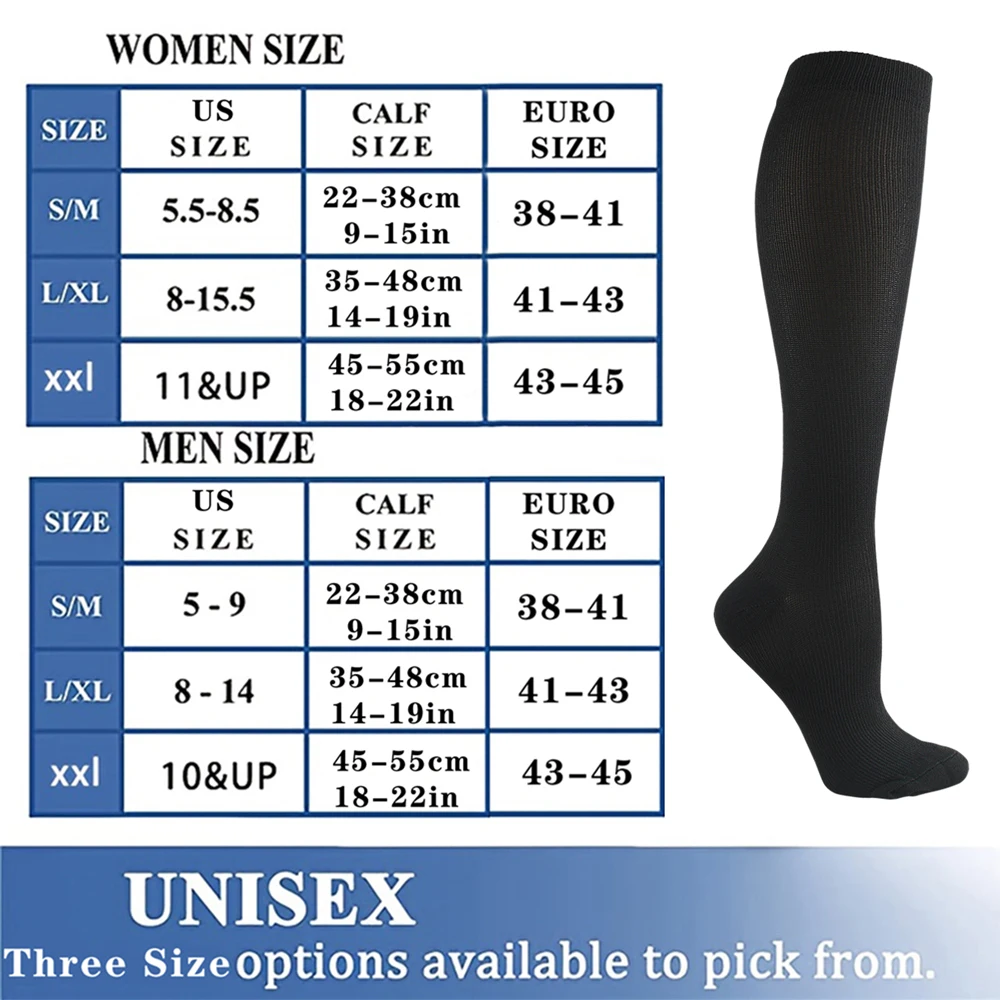
| Fit | Unisex, sized (variant dependent) |
| Material | Nylon / spandex blend (variant dependent) |
| Best for | Varicose veins, flights, standing work, running, hiking |
| Not suitable for | Peripheral arterial disease |
| Wear pattern | Daytime; remove at night unless advised otherwise |
Care & Maintenance
Wash after every wear – skin oils and sweat break down elastane, and a compression sock that has lost its elasticity is just a sock. Use cool water and a mild detergent, and skip the fabric softener, which coats and degrades the elastic fibres. Air dry away from direct heat; a tumble dryer will kill the compression. Expect to replace them every three to six months of regular use, because the pressure gradient fades long before the sock looks worn out.
What’s in the Box
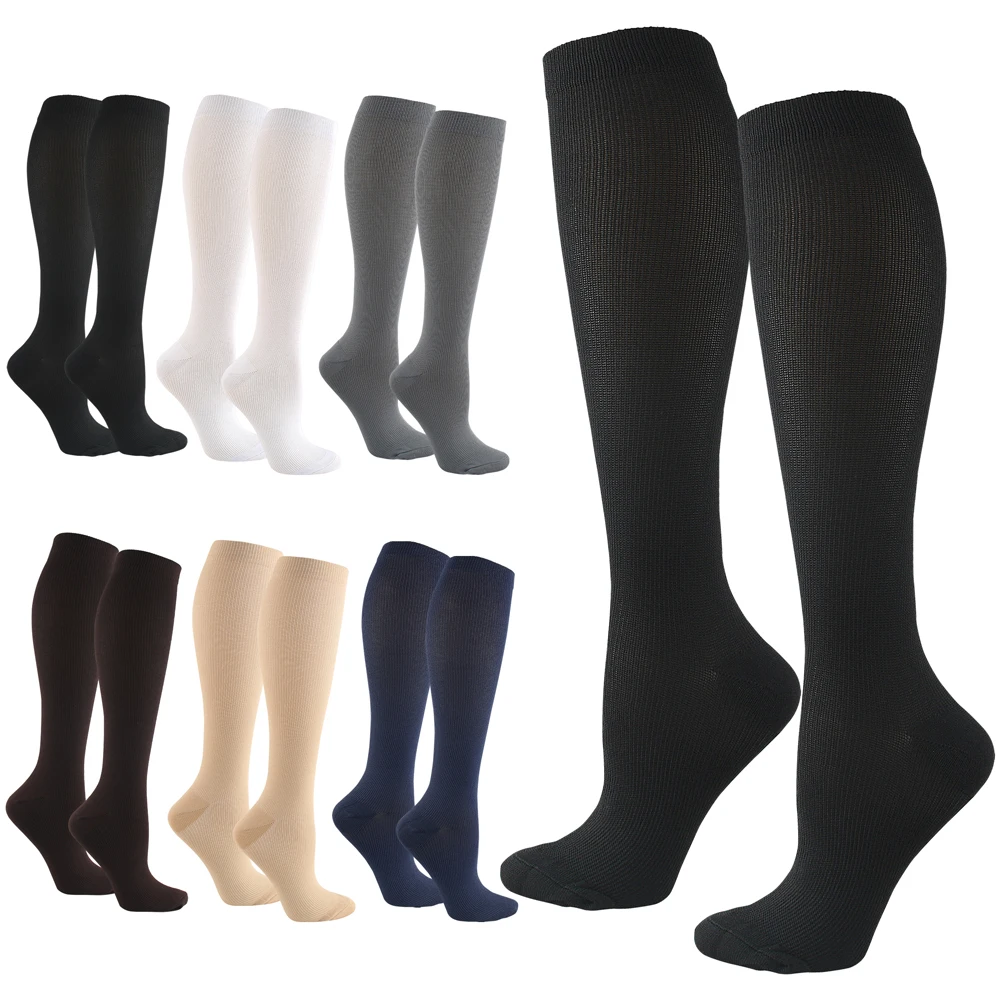
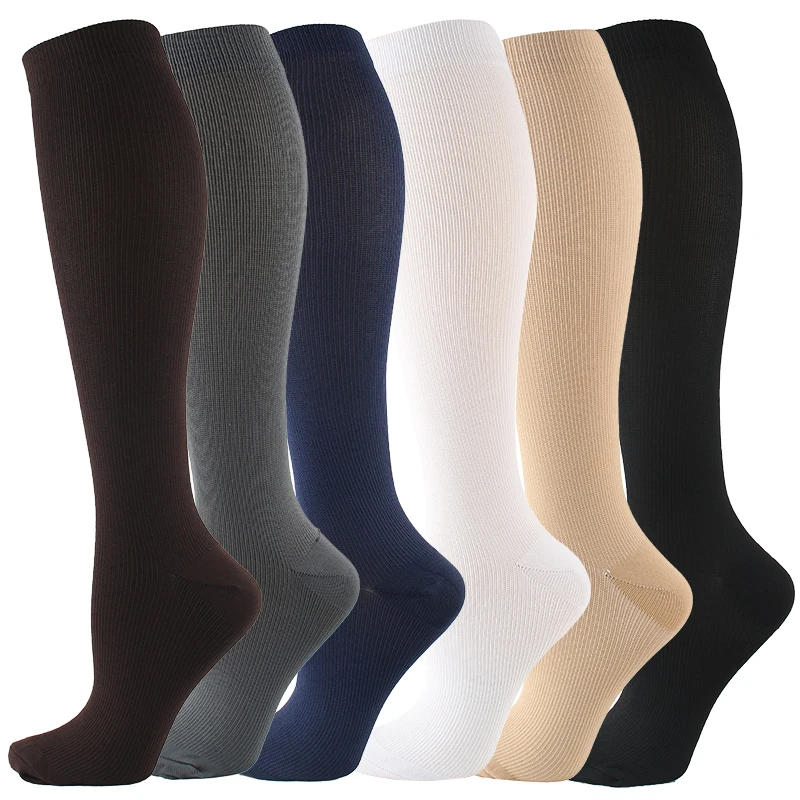
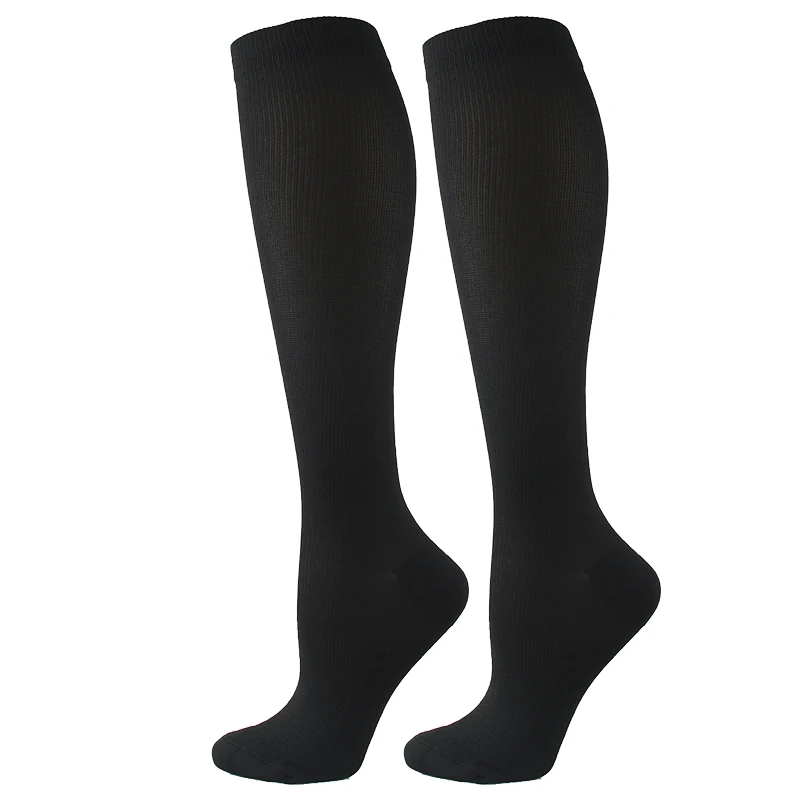
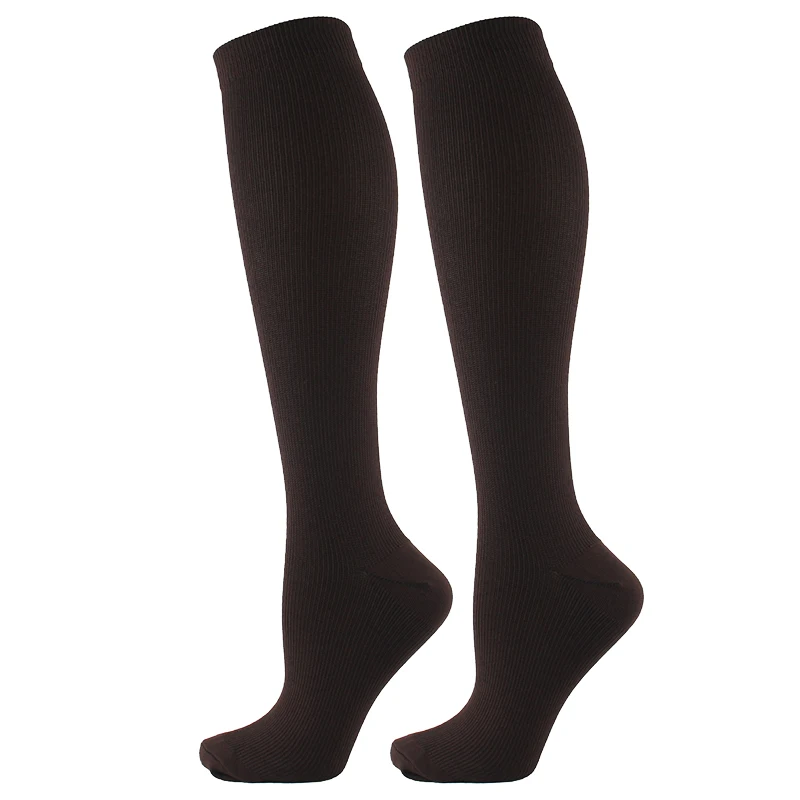
One pair of graduated compression socks. Colour and size are variant dependent.
Reviews
There are no reviews yet.