Graduated Means Tightest at the Ankle
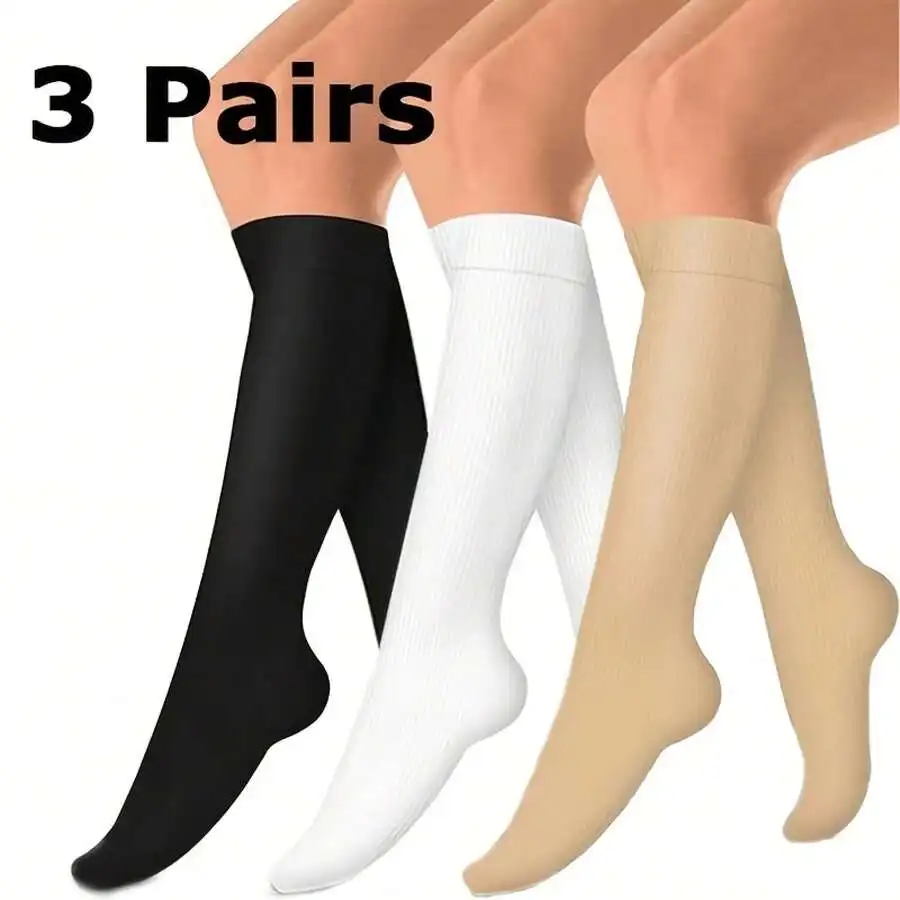
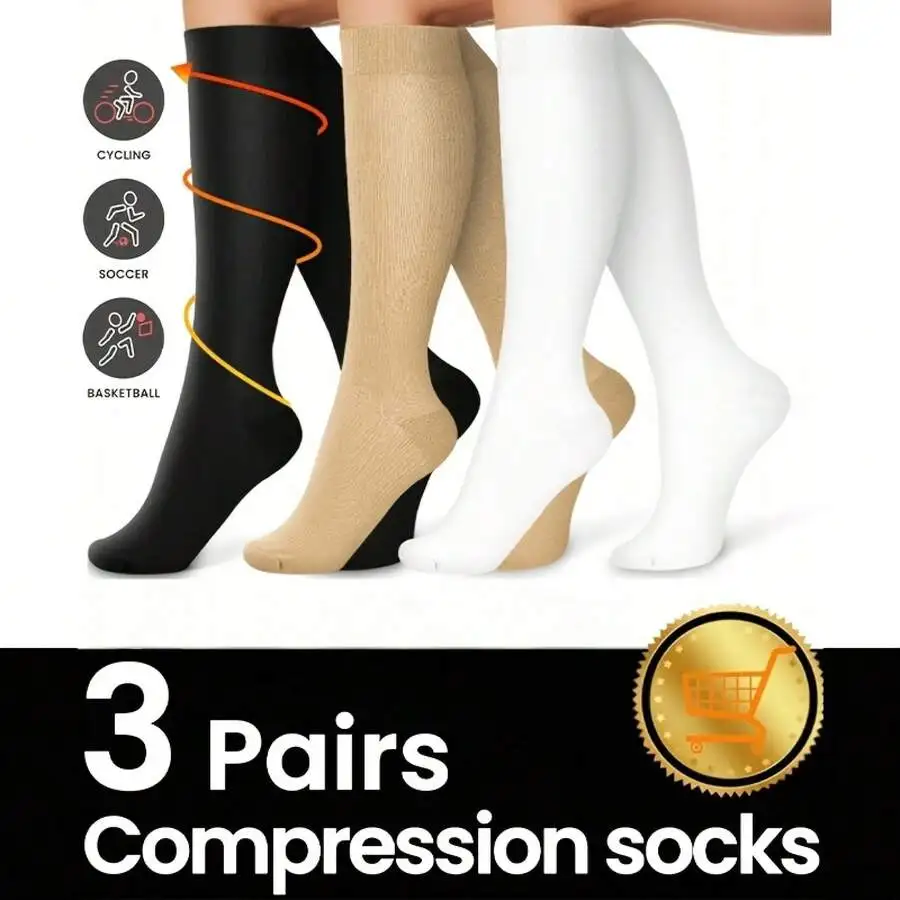
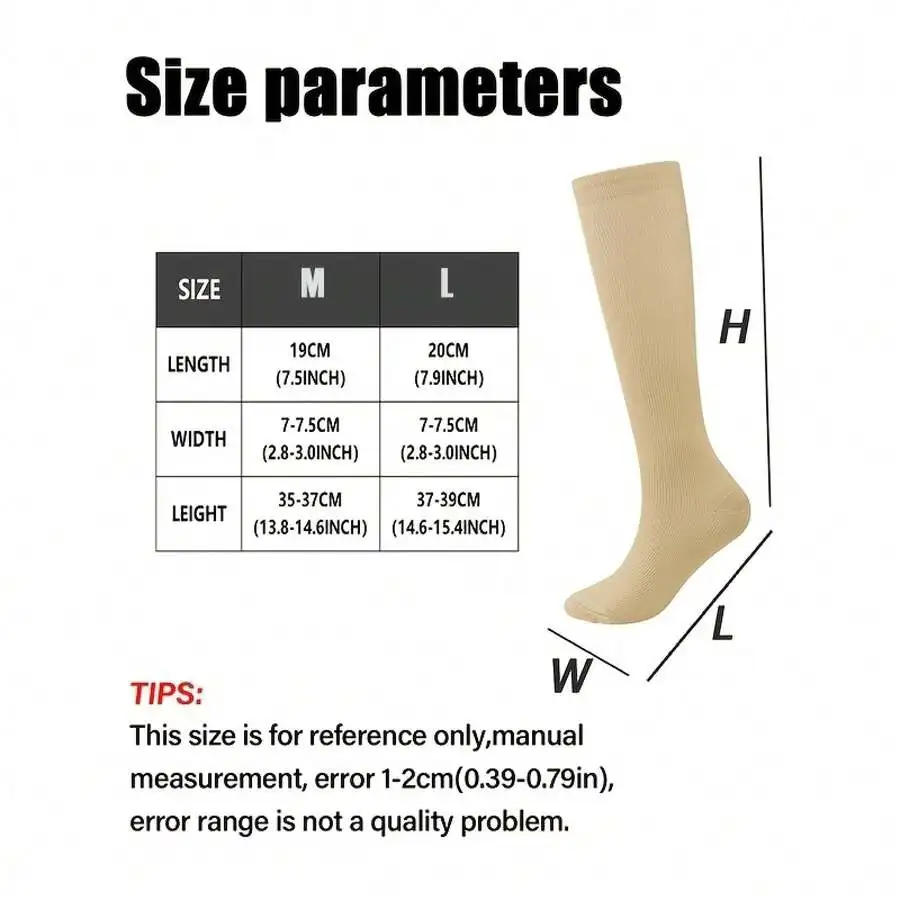
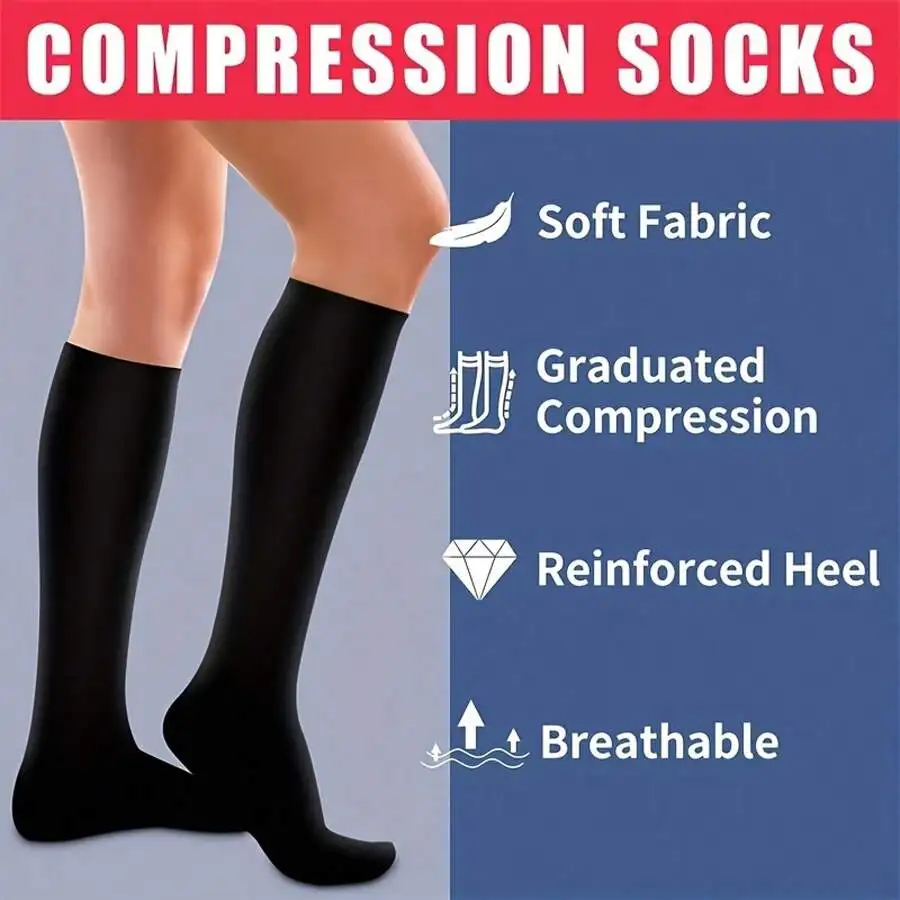
This is a 3-pack of women’s graduated compression socks at $12.78, made from 85% polyester and 15% elastane in an anti-slip, breathable knit. Graduated compression is the part that matters: the sock is tightest at the ankle and eases as it climbs. That pressure gradient works with the veins to push blood back toward the heart rather than letting it pool in the lower leg – which is why these are worn for running, hiking, long flights and long days on your feet.
Key Benefits
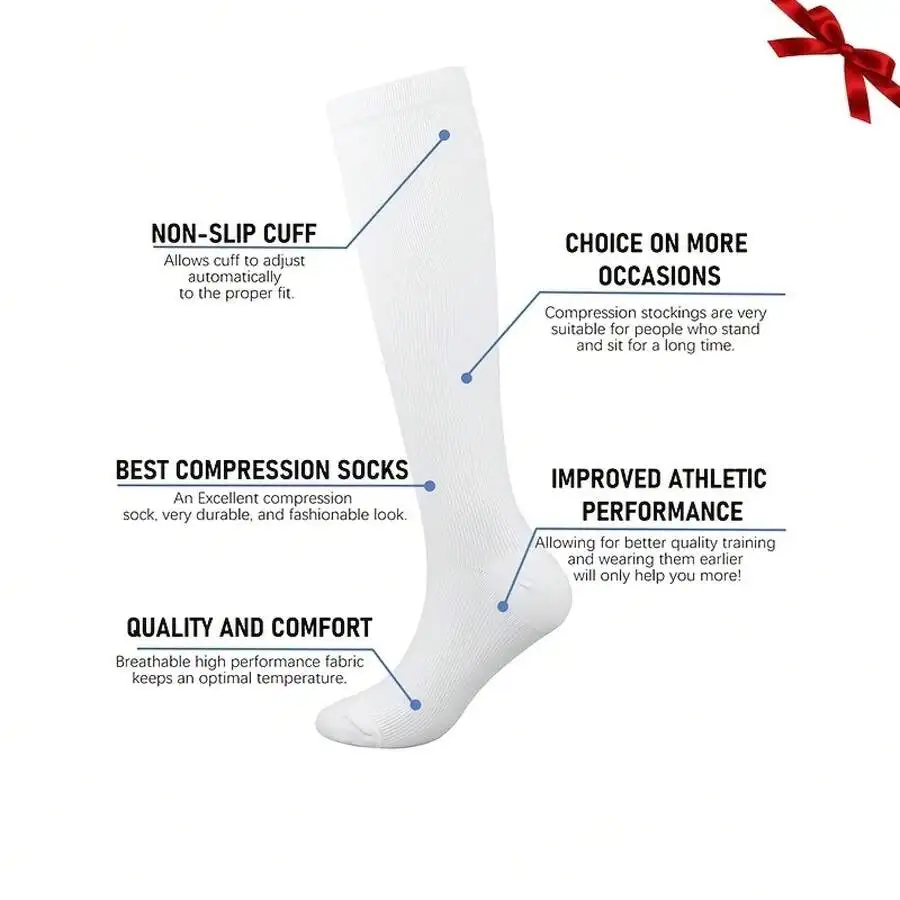
- Graduated pressure. Tightest at the ankle, easing upward – the design that helps circulation rather than just squeezing the leg.
- Three pairs. Enough to wear, wash and pack without laundry dictating your training.
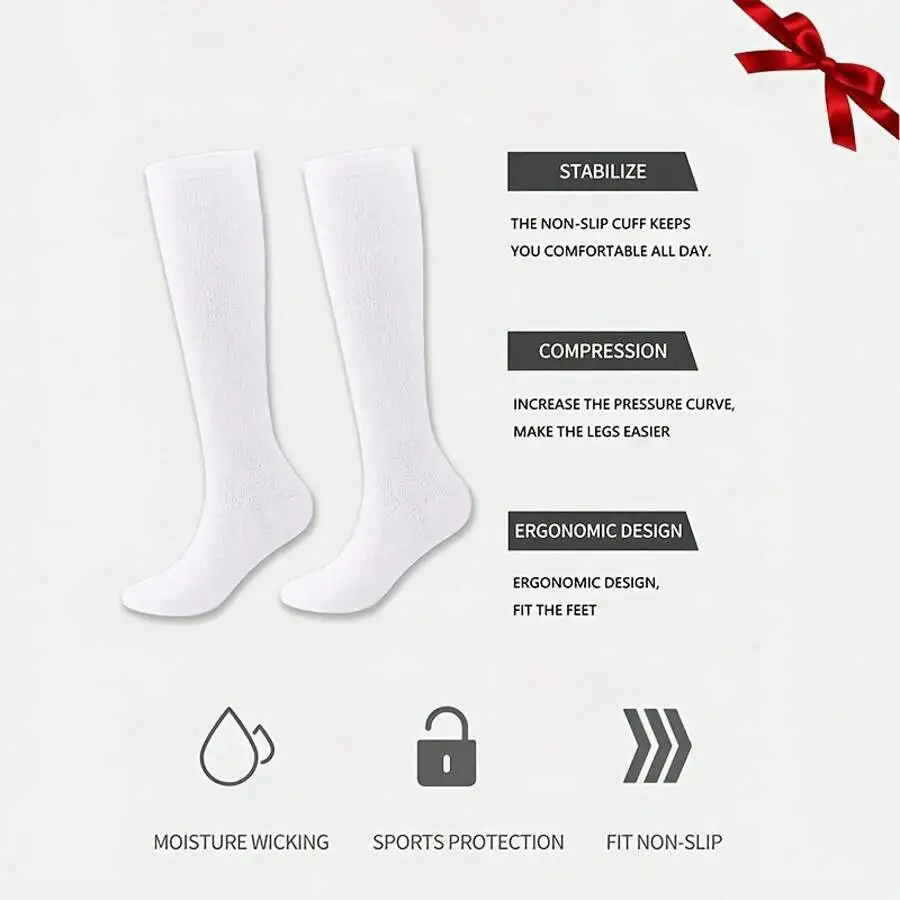
- Anti-slip. They stay where you put them instead of rolling down inside a shoe.
- Breathable knit. 85% polyester and 15% elastane – wicks rather than holding sweat.
- Built for flying. Long-haul flights are one of the classic use cases for compression, and a 3-pack means a pair stays in the suitcase.
How to Use
- Put them on first thing in the morning, before your legs have had time to swell.
- Roll them on rather than yanking – bunched fabric creates a pressure band that does the opposite of what you want.
- For flights, put them on before boarding and keep them on for the duration.
- For running, wear them during or after a hard session, whichever you find helps most – both are common practice.
Specifications
| Type | Graduated compression socks |
|---|---|
| Quantity | 3 pairs |
| Composition | 85% polyester, 15% elastane |
| Craft | Knit |
| Features | Graduated compression, anti-slip, breathable, invisible fit |
| Gender | Women |
| Best for | Running, hiking, travel, flying, fitness, long days standing |
Care & Maintenance
Machine wash cool and air dry. No tumble dryer and no fabric softener – heat and softener both destroy elastane, and elastane is what generates the compression.
What’s in the Box
- 3 x Pairs of compression socks
Frequently Asked Questions
What does graduated compression mean?
The sock is tightest at the ankle and gets progressively looser up the leg. That gradient helps push blood back up toward the heart. A sock that squeezes evenly, or worse, tightest at the top, does not do this.
Should I wear compression socks on a flight?
It is one of the most common reasons people buy them. Sitting still for hours lets blood pool in the lower legs; compression counteracts that. Put them on before you board rather than once your ankles have already swollen.
Do compression socks help running?
Many runners find they reduce leg fatigue and post-run soreness, and they are widely worn for recovery after hard sessions. Evidence on performance improvement is mixed – the recovery and comfort benefits are what most people notice.
How tight should they feel?
Snug and supportive, never painful or numbing. If they leave deep marks, cut off circulation, or make your feet tingle, they are too small.
Can I wear them all day?
Most people can. If you have diabetes, peripheral arterial disease, or any circulation condition, talk to a clinician before wearing compression regularly.
Reviews
There are no reviews yet.