Tight Calves Are Usually the Real Culprit
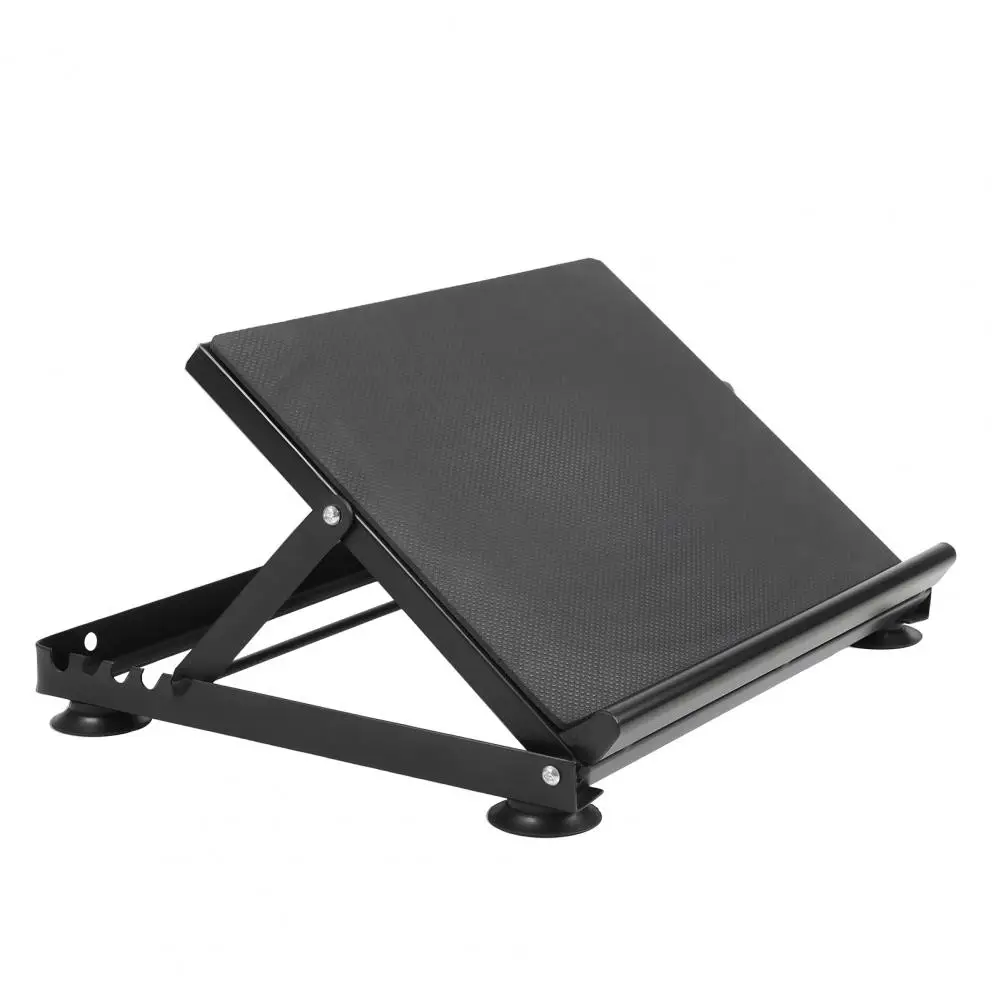
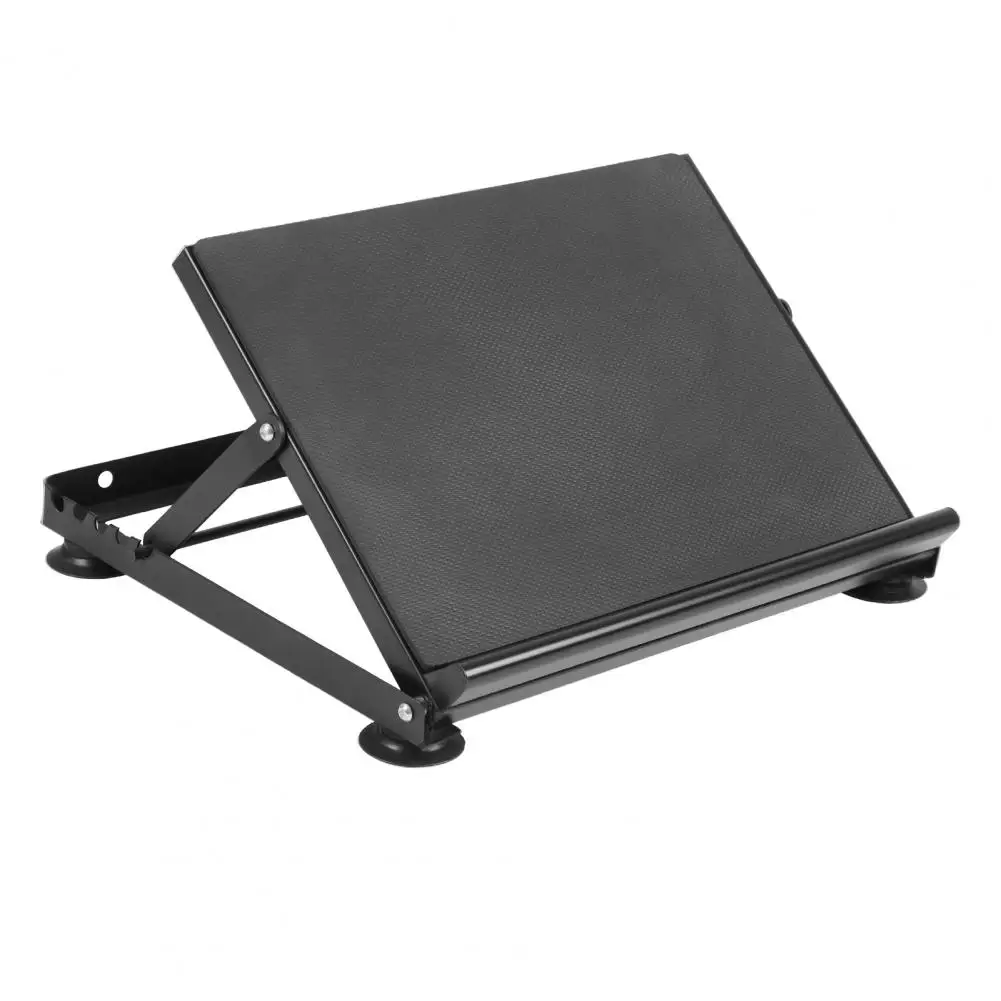
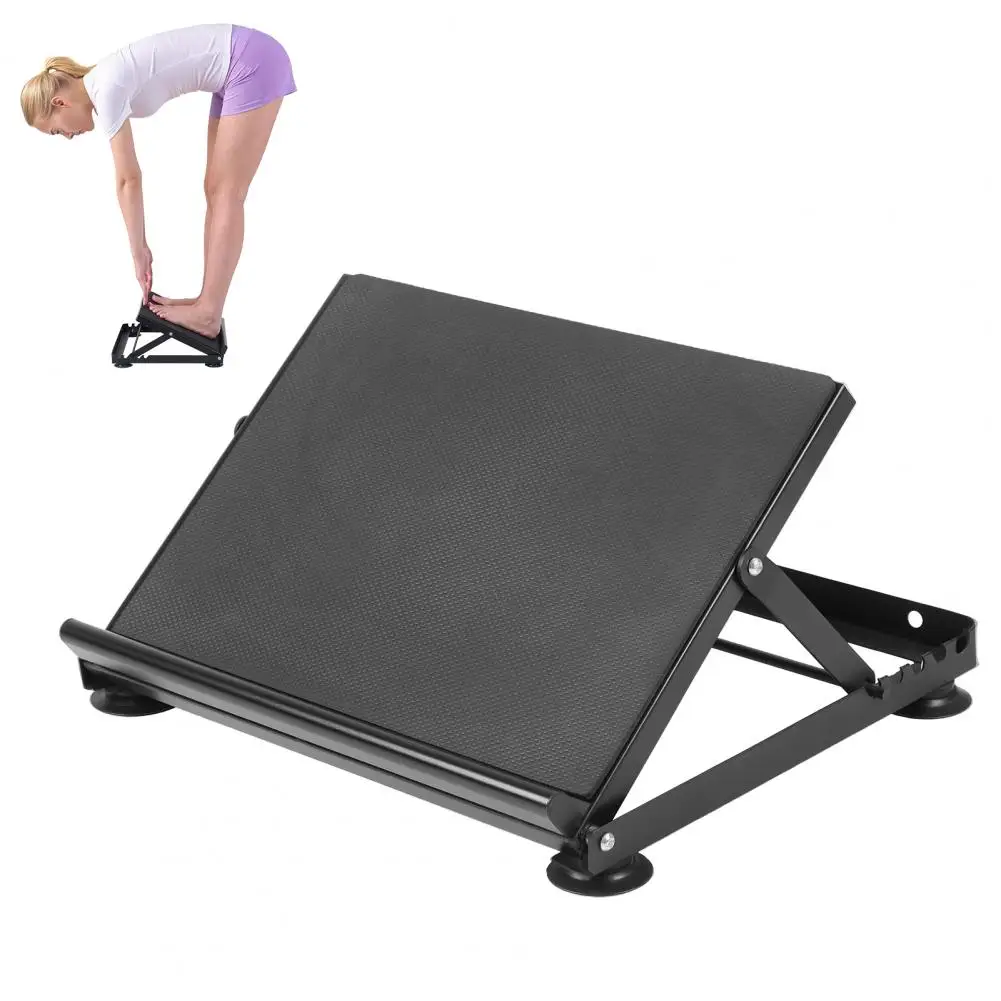
This is a professional-grade adjustable slant board and calf stretcher, priced at $57.25 in black, with multiple incline settings and a non-slip surface. Standing on an incline with your heels below your toes puts a sustained stretch through the calves, the Achilles and the plantar fascia. That chain is where a surprising amount of foot and heel pain originates – tight calves pull on the Achilles, the Achilles pulls on the heel, and the plantar fascia takes the strain every morning when you stand up.
Key Benefits
- Adjustable incline. Start shallow and increase the angle as your flexibility improves, instead of buying a new fixed wedge.
- Targets the whole chain. Calves, Achilles and plantar fascia in one position.
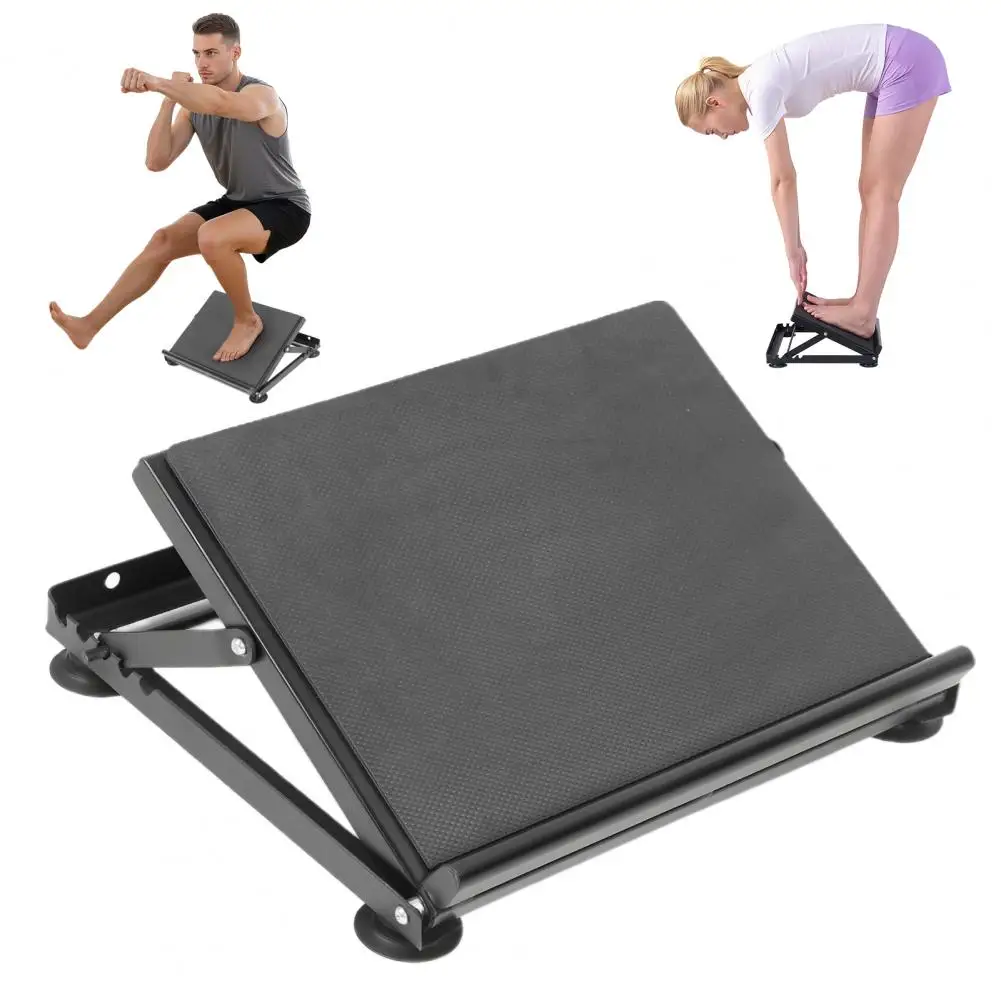
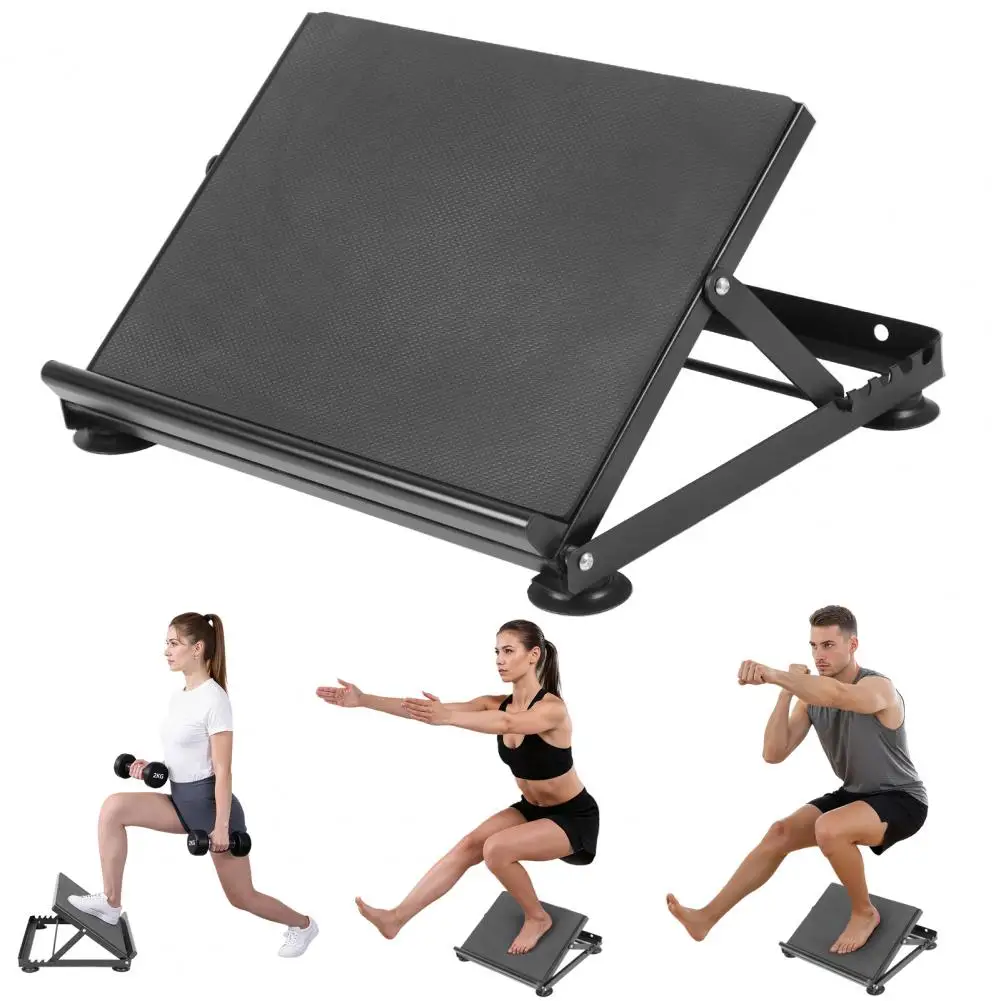
- Doubles as a balance trainer. The incline makes squats and balance work far more demanding on the ankle.
- Non-slip surface. You are standing on a slope – grip is not a nice-to-have.
- Two minutes a day. Consistency beats intensity here; a short daily stretch outperforms one long session a week.
How to Use
- Set the board to the shallowest angle to begin. If a stretch is painful you will not do it daily, and daily is the entire point.
- Stand with both heels down, knees straight, and hold for 30–60 seconds. This targets the gastrocnemius, the upper calf muscle.
- Repeat with knees slightly bent to reach the soleus, the deeper calf muscle underneath – most people skip this and wonder why the tightness stays.
- Increase the angle only when the current setting stops feeling like a stretch.
- For balance and strength work, perform squats or calf raises on the incline with control.
Specifications
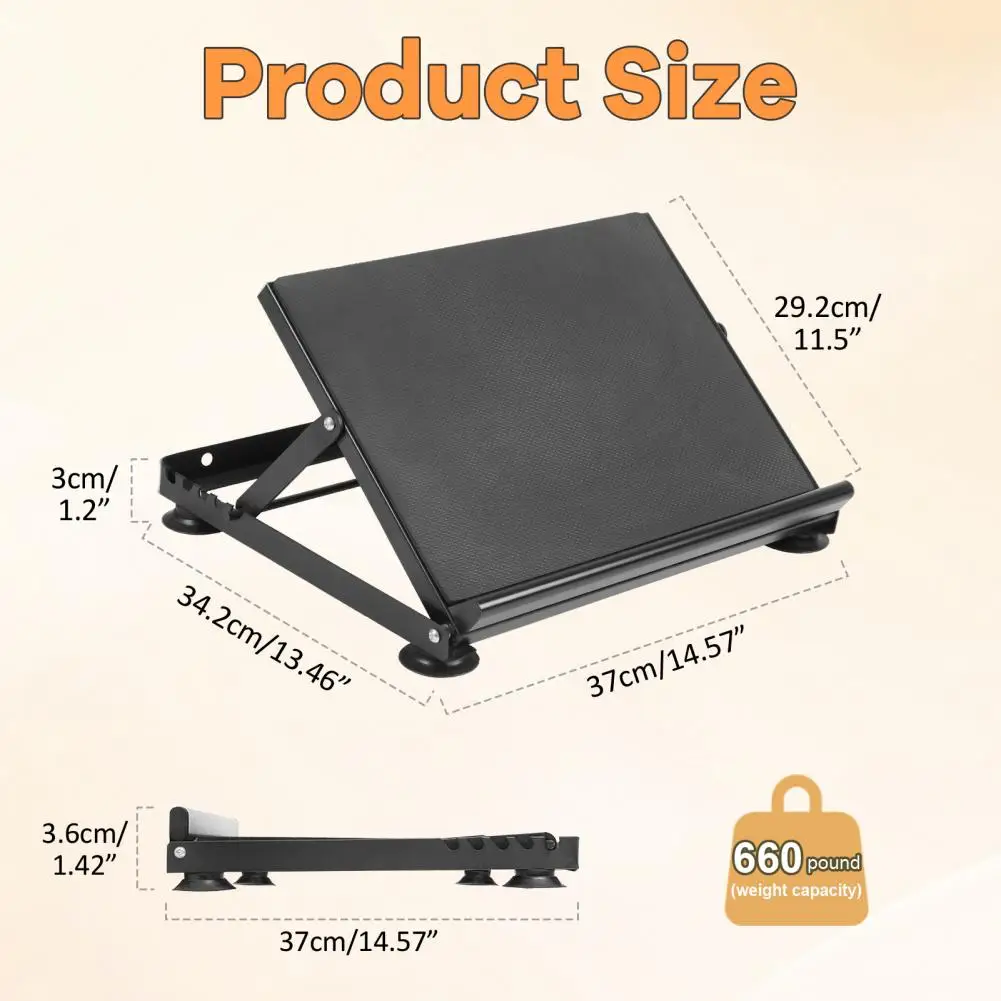
| Type | Adjustable slant board / calf stretcher / incline balance trainer |
|---|---|
| Adjustability | Multiple incline angles |
| Surface | Non-slip |
| Color | Black |
| Best for | Calf and Achilles stretching, plantar fasciitis recovery, ankle mobility, squat depth, balance training |
Care & Maintenance
Wipe the surface with a damp cloth and mild soap. Keep the non-slip surface free of dust and oil – it is a safety feature, not a finish. Check adjustment hardware is secure before every use.
What’s in the Box
- 1 x Adjustable slant board
Frequently Asked Questions
Does a slant board help plantar fasciitis?
Calf and Achilles tightness is one of the most common contributors to plantar fascia pain, and stretching that chain daily is a standard part of recovery. It is not a cure and it is not instant – if heel pain persists for weeks, see a clinician.
How long should I stand on a slant board?
30 to 60 seconds per stretch, a couple of times through, once or twice a day. Two minutes daily beats twenty minutes on a Sunday.
Straight knee or bent knee?
Both. Straight knee stretches the gastrocnemius (the upper calf); bent knee reaches the soleus underneath it. Skipping the bent-knee version is why a lot of people never resolve their calf tightness.
Can I use it for squats?
Yes. Elevating the heels on an incline lets most people reach far greater squat depth with an upright torso, and it is why slant boards are popular in strength training as well as rehab.
Why adjustable rather than a fixed wedge?
Because your flexibility changes. A fixed wedge is either too aggressive on day one or too easy by month two. Adjustability means the board still challenges you as you improve.
Reviews
There are no reviews yet.