

How a Patella Strap Actually Changes the Load on Your Knee
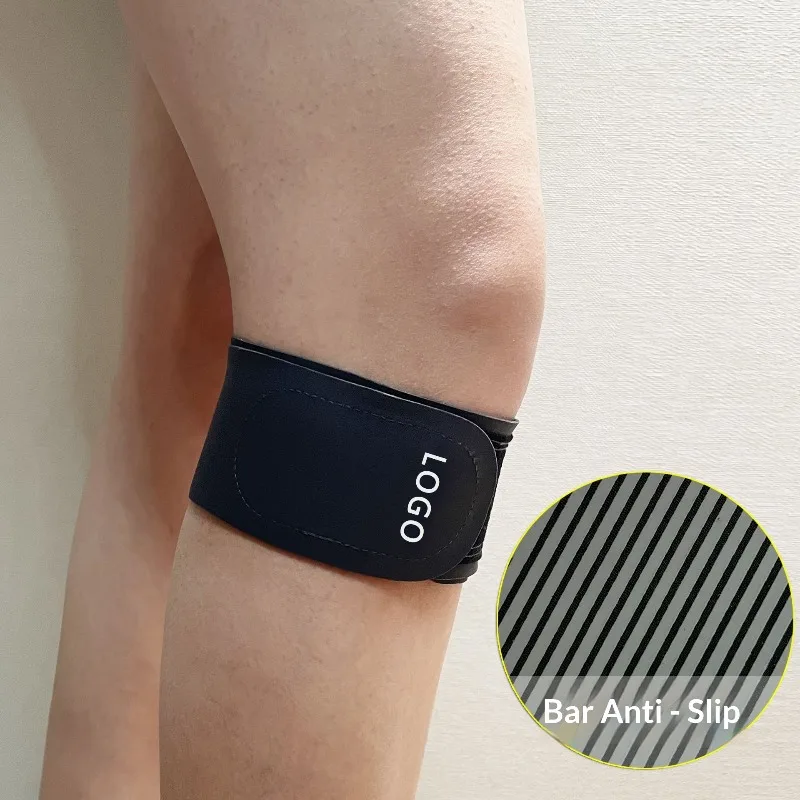
A patella strap does not hold your kneecap in place, despite the name. It works by applying pressure to the patellar tendon just below the kneecap, which subtly alters the angle at which the tendon transmits force and distributes load across a wider area of tissue. The likely effect is twofold: a mechanical redistribution of tendon stress, and a sensory one — the pressure gives your nervous system additional proprioceptive input, which can reduce the perception of pain. Evidence for straps in patellofemoral pain and patellar tendinopathy is modest and mixed, but many runners get real, immediate symptomatic relief.
Key Benefits
- Targeted tendon pressure, not bulk compression. The strap sits below the kneecap on the patellar tendon, which is where the load actually needs redistributing — a full knee sleeve compresses everything and targets nothing.
- Adjustable wraparound tension. Tendon pain varies day to day. Being able to dial pressure up on a hilly run and back off on a flat one is the difference between a useful strap and one that lives in a drawer.
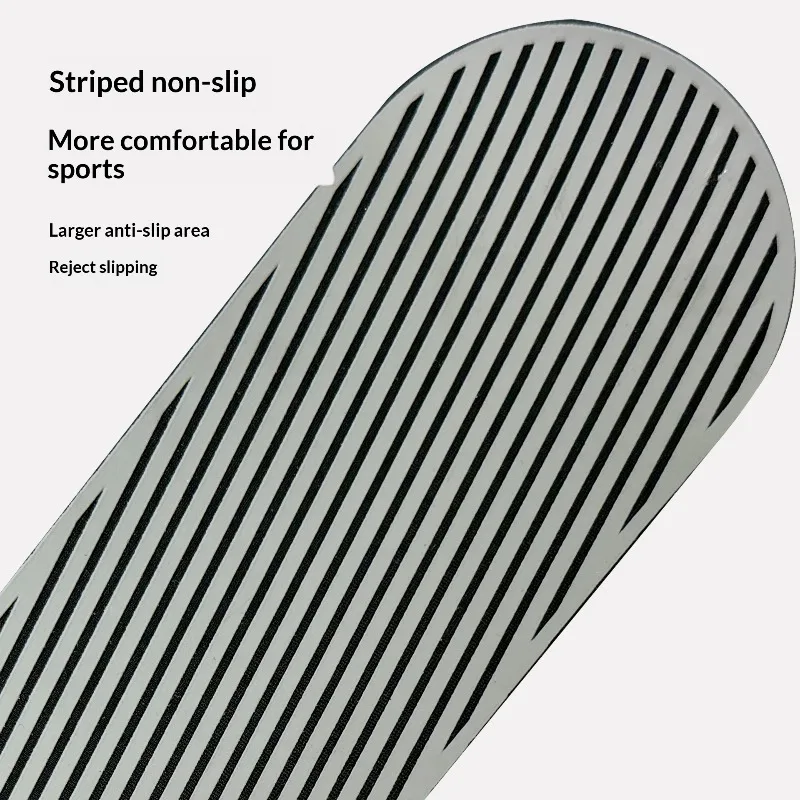
- Anti-slip interior grip. A strap that migrates down your shin during a run is worse than no strap. The textured inner surface keeps it seated where you positioned it.
- Low-profile enough to wear under clothing. Fits under running tights or trousers, so it works on trails and in the office without announcing itself.
- Immediate, honest symptom relief for runner’s and jumper’s knee. Many people feel the difference on the first run. That relief is real and worth having while you address the underlying cause.
- It is a bridge, not a destination. Patellar tendinopathy is a load-management and strength problem. The strap buys you comfortable training time; progressive loading of the quadriceps and glutes is what actually resolves it.
How to Use
Position the strap directly over the patellar tendon — the soft band between the bottom of your kneecap and the top of your shin — with the knee bent to roughly 30 degrees, not locked straight. Tighten until you feel firm, even pressure, then stop. It should not throb, tingle, go numb or leave deep indentations, and it must never be so tight that it restricts circulation; if your lower leg feels cold or your foot tingles, loosen it immediately. Wear it during activity, not all day. Important honest note: if your knee pain is sharp, gives way, locks, swells noticeably or worsens over weeks, a strap is the wrong tool and you should see a physiotherapist or doctor — masking a structural problem so you can keep running on it is how a minor injury becomes a long one.
Specifications
| Product type | Adjustable patellar tendon support strap |
|---|---|
| Colour options | Grey, black |
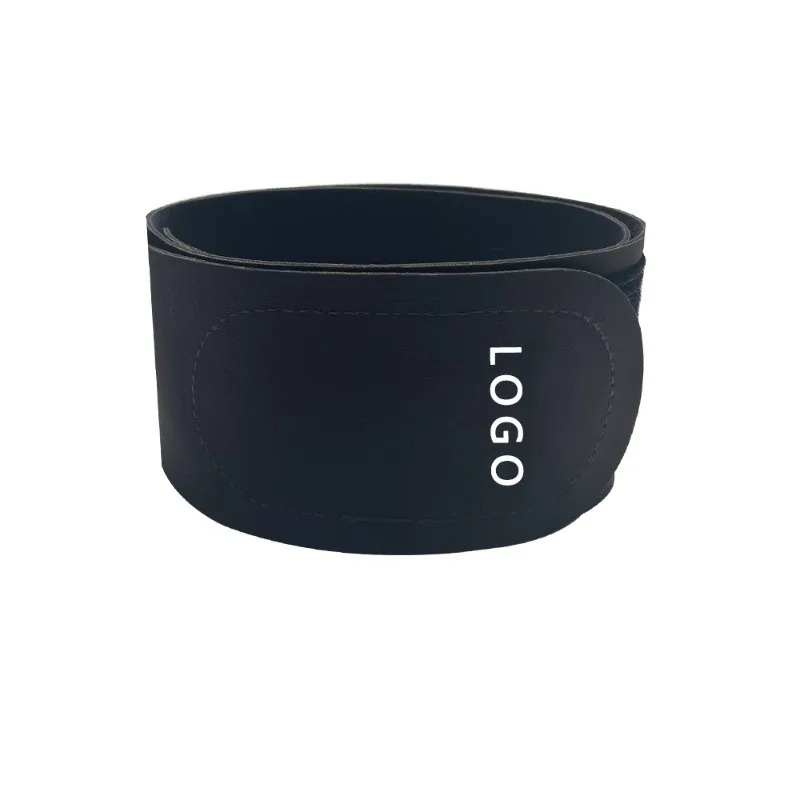
| Closure | Wraparound adjustable strap |
| Interior | Anti-slip textured lining |
| Target area | Patellar tendon, below the kneecap |
| Best suited to | Runner’s knee, jumper’s knee (patellar tendinopathy), hiking, climbing |
| Fit | Adult, unisex; adjustable across a range of leg circumferences |
| Quantity / size | Variant dependent — see product options |
Care & Maintenance
Hand wash in cool water with mild soap and air dry flat. Do not machine wash, tumble dry or iron — heat destroys the elastic and the hook-and-loop closure. Keep the hook-and-loop fastener free of lint and hair, since a clogged fastener stops holding tension and the strap will creep loose mid-run. Let the strap dry fully between uses; wearing a damp strap against the skin invites irritation. Replace it when the elastic no longer holds tension — a stretched-out strap provides pressure you can feel but no longer the pressure you need.
What’s in the Box
1 x adjustable knee patella stabilizer strap in your selected colour.
Reviews
There are no reviews yet.