What a Wrist Wrap Actually Does Under a Heavy Bar
Under a loaded barbell the wrist wants to collapse into extension — the hand bends backwards, the bar drifts behind the forearm, and the load stops travelling through the bones and starts hanging on the joint’s soft tissue. A wrist wrap works purely mechanically. Wound tightly across the joint line, it forms a stiff external cuff that limits how far the wrist can extend, keeping the hand stacked over the forearm so force transmits through the skeleton rather than the ligaments. It is a splint, not a supplement: it changes joint position and load path, and does nothing to the muscle itself.
Key Benefits
- Limits wrist extension under load. The core function. On bench, overhead press and jerks, the wrap stops the hand folding back so the bar stays stacked over the radius rather than levering the joint.
- Confidence on maximal pressing. Many lifters find they can drive harder simply because they are not subconsciously protecting a wrist they do not trust — a real effect, even if it is partly psychological.
- Relief for front rack and clean positions. Front squats and cleans demand aggressive wrist extension. A wrap redistributes some of that stress, though it is not a substitute for improving thoracic and lat mobility, which is usually the actual limiter.
- Adjustable tension, not fixed. Wind tight for a one-rep max, loose for volume work. The ability to dial tension per set is the main advantage over a slip-on neoprene sleeve.
- Useful for returning after a wrist niggle. As a temporary aid while tissue tolerance rebuilds — alongside, not instead of, progressive loading.
- Honest limitation. Wraps do not strengthen the wrist. If anything, wearing them for every set means the joint never adapts. Save them for your top sets and let your warm-ups and accessory work build genuine wrist tolerance.
How to Use
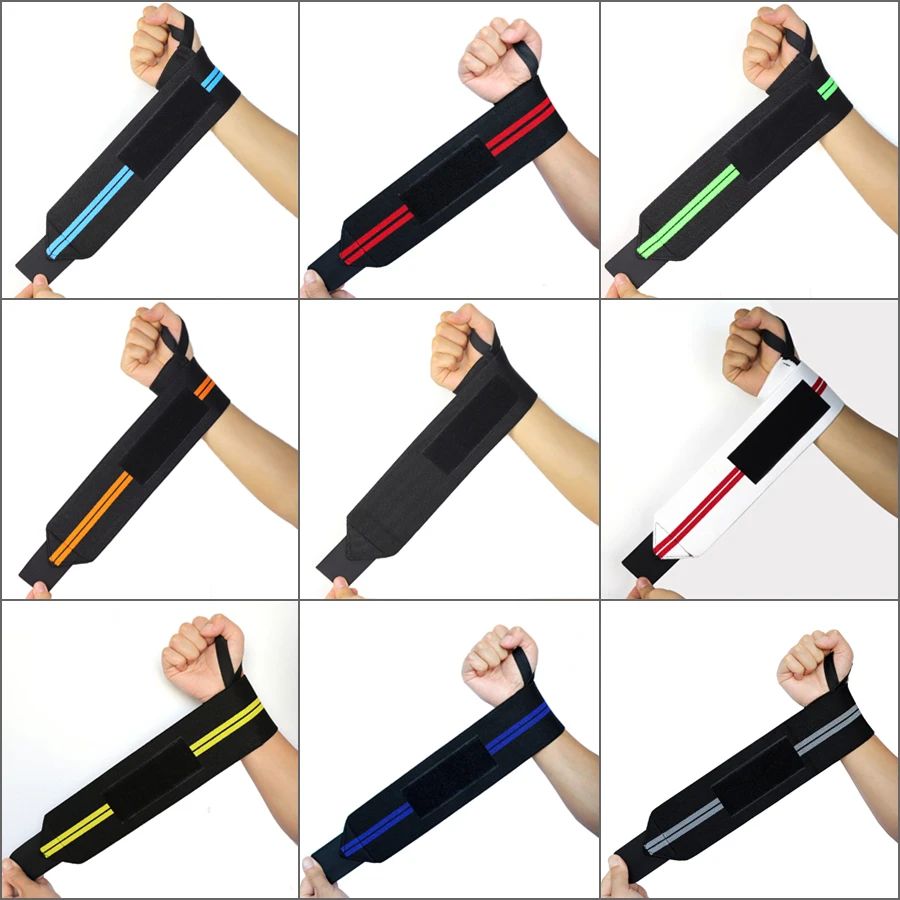
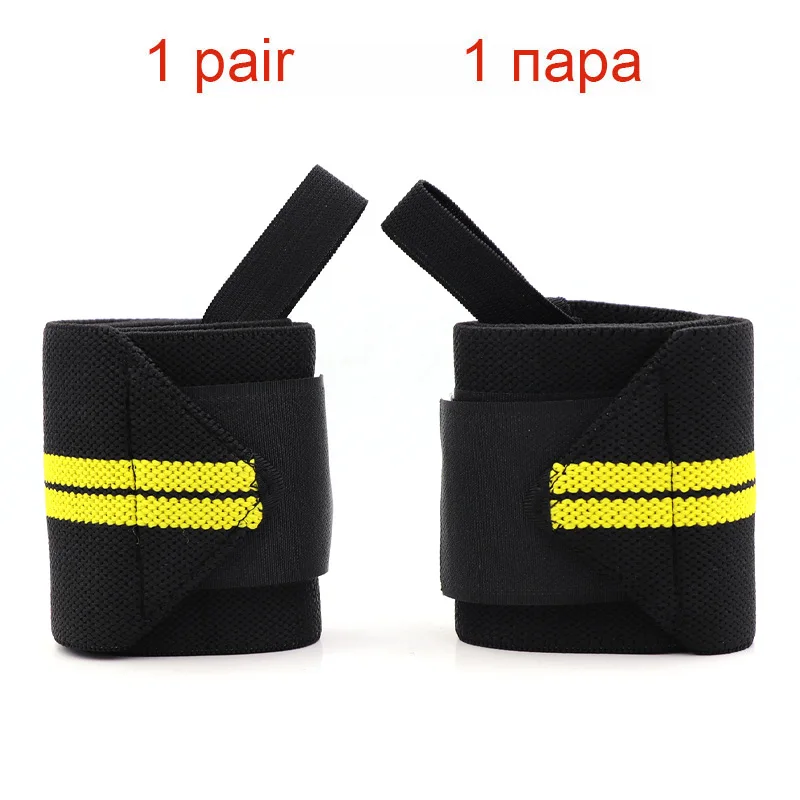
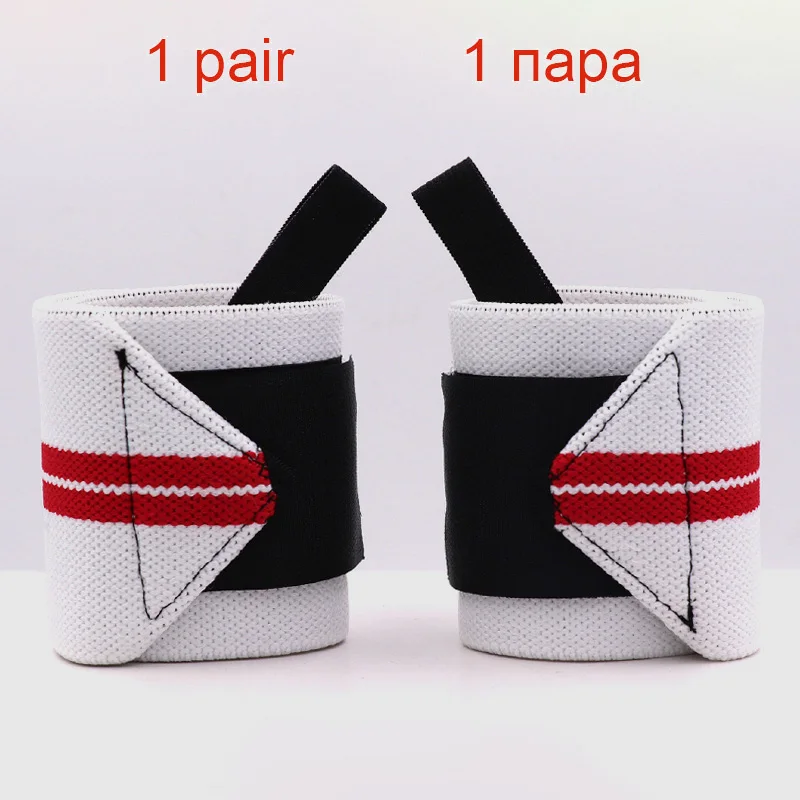
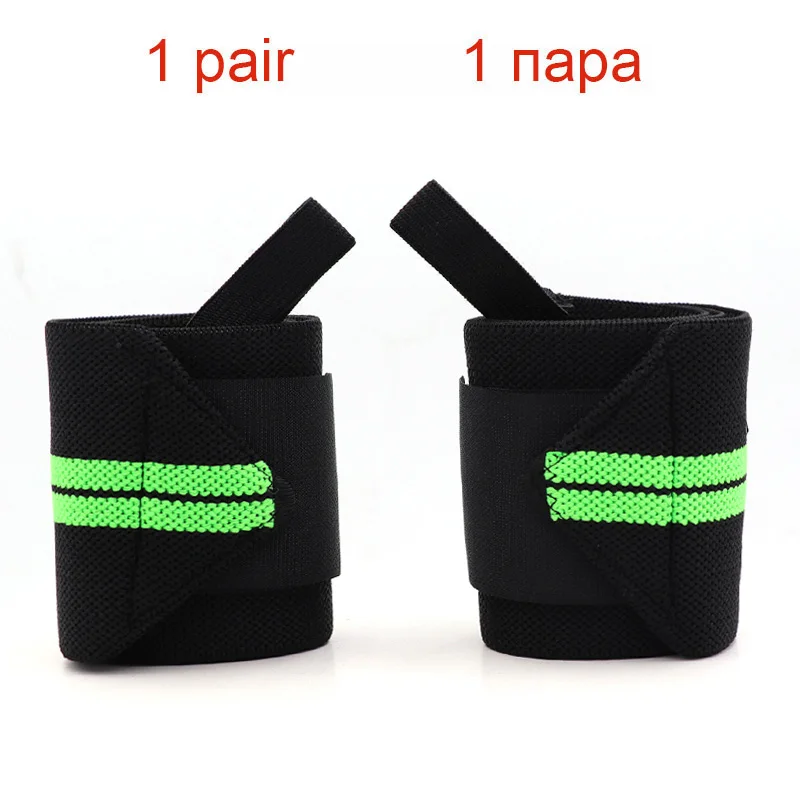
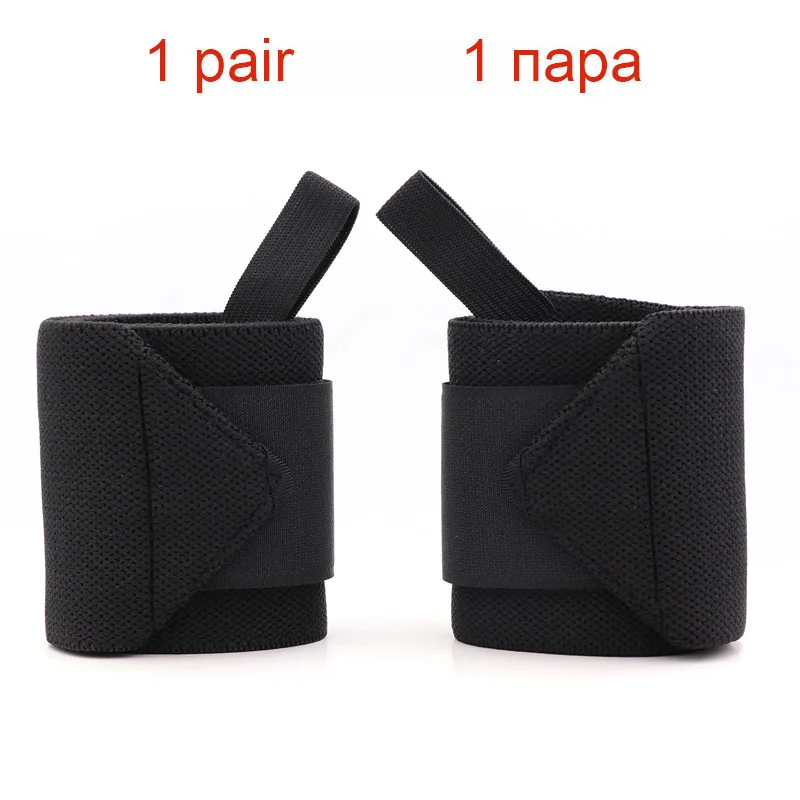
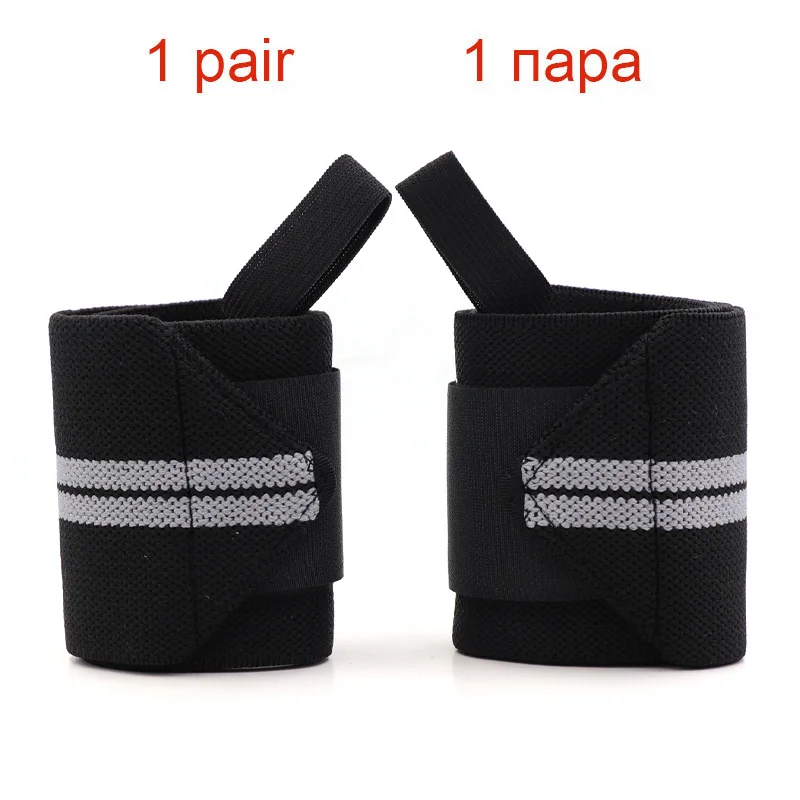
Anchor the thumb loop over your thumb, then wrap firmly across the wrist joint itself — roughly half the width above the joint line and half below — rather than up the forearm, which supports nothing. Fasten the hook-and-loop closure, then remove the thumb loop from your thumb before lifting; leaving it on transmits force into the thumb during a heavy press. The wrap should feel rigid, not merely snug. Safety: wraps are for heavy working sets, not the whole session. Wearing them tight for long periods restricts blood flow — loosen or remove them between sets, and take them off immediately if your hands tingle, go numb, or lose colour. If pushing your wrist into extension causes sharp pain rather than tightness, that is a signal to get assessed, not a signal to wrap tighter.
Specifications
| Product Type | Adjustable weightlifting wrist wraps |
|---|---|
| Brand | COYOCO |
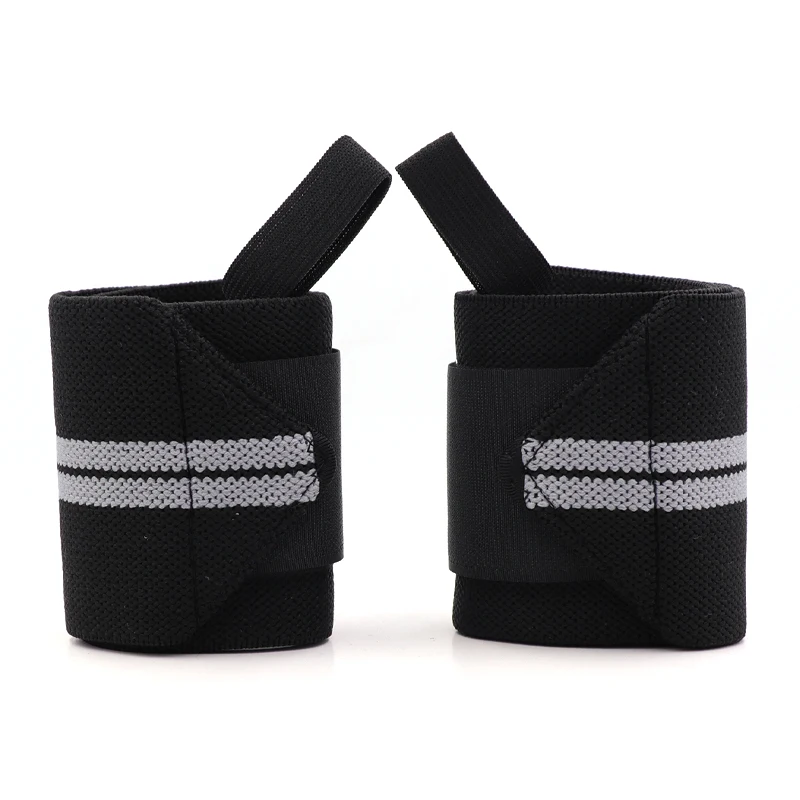
| Colour | Grey |
| Closure | Hook-and-loop with thumb loop |
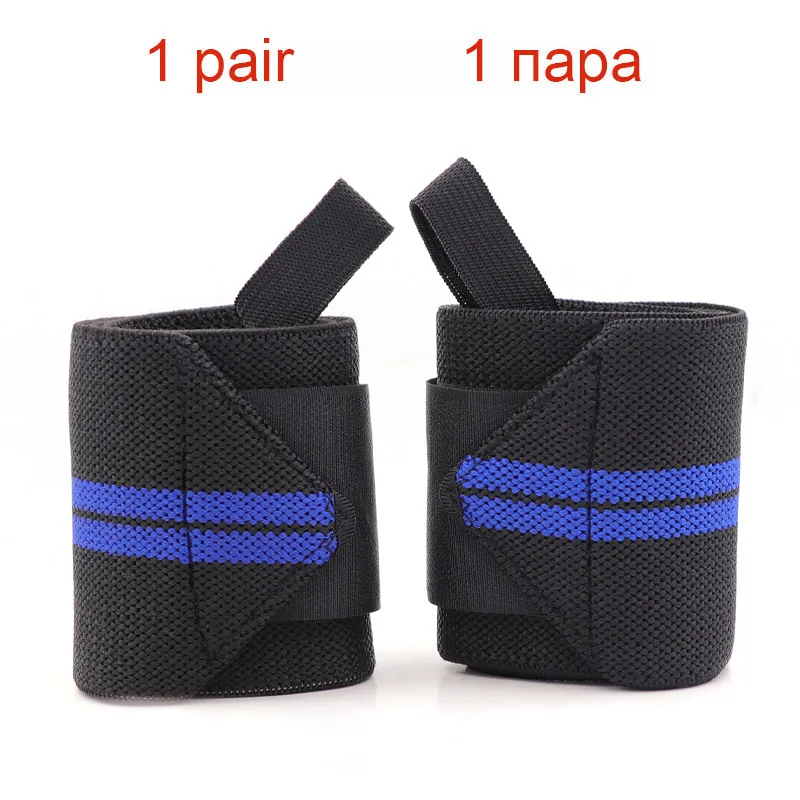
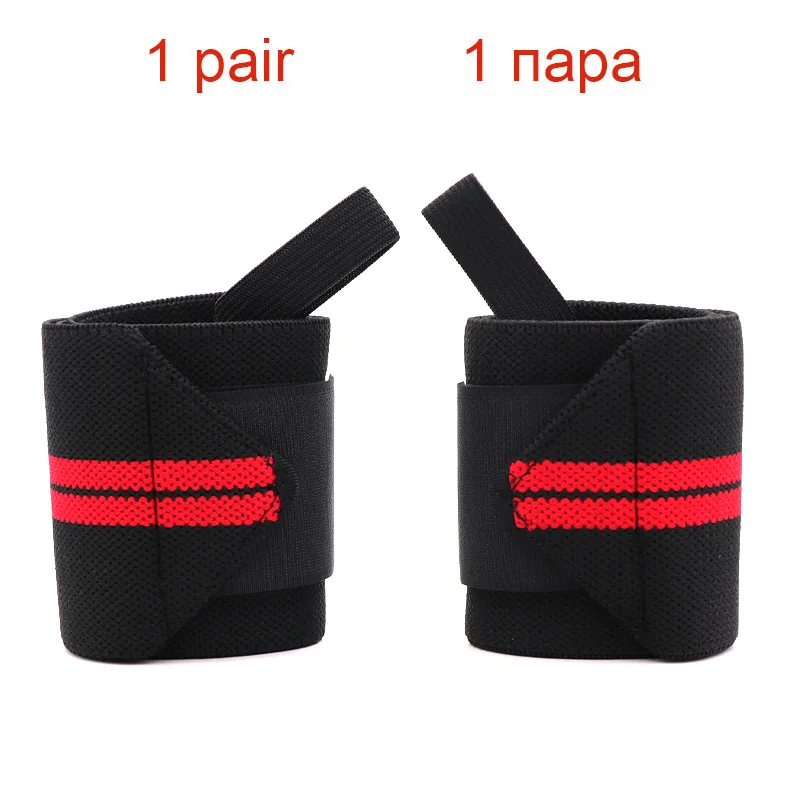
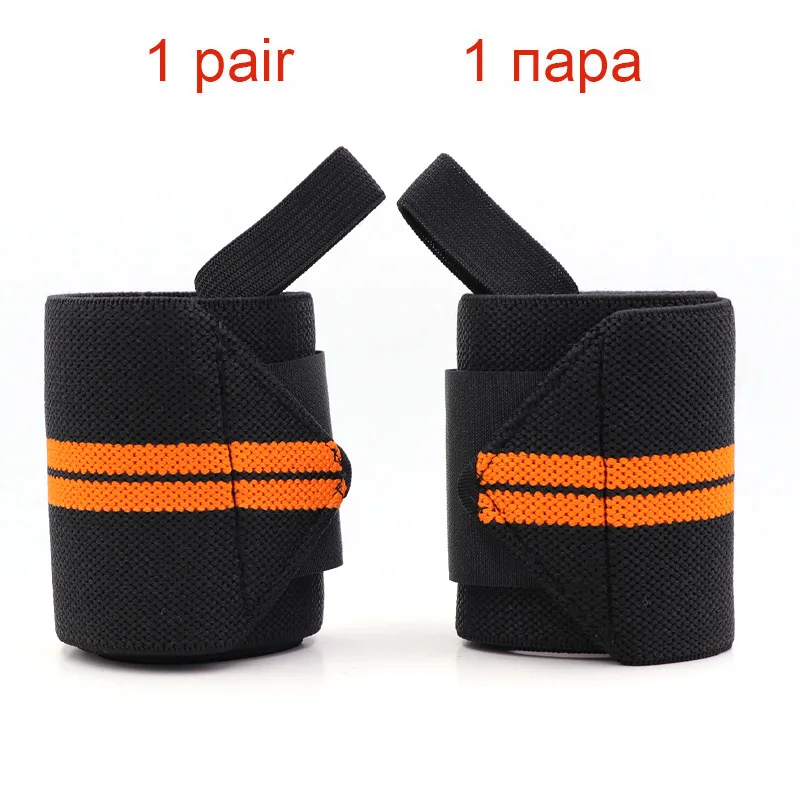
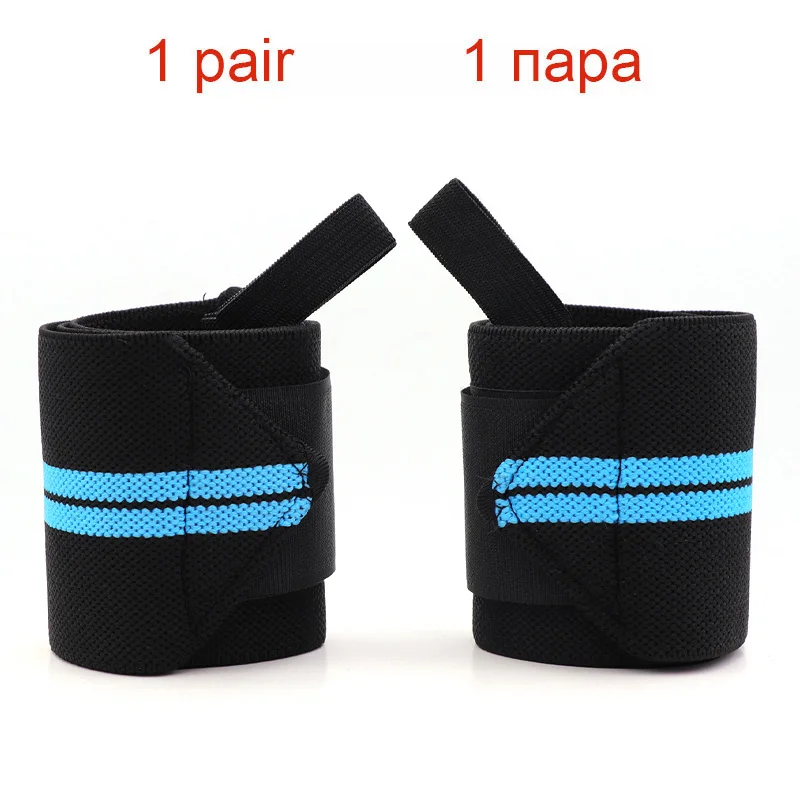
| Sold As | 1 pair (2 wraps) |
| Adjustability | Tension set by wearer per set |
| Best For | Bench press, overhead press, front rack, cleans, jerks |
| Length | Variant dependent |
| Unisex | Yes |
Care & Maintenance
Undo the hook-and-loop fully before washing so it does not snag and shred the elastic. Hand wash in cool water with mild detergent, then air dry away from direct heat — a radiator or tumble dryer will cook the elastic and leave you with a limp wrap. Close the hook-and-loop over itself for storage to stop it collecting lint, which is what makes closures stop gripping. Replace when the elastic no longer recoils or the closure slips mid-set.
What's in the Box
One pair of professional weightlifting wrist wraps (2 wraps) with thumb loops and hook-and-loop closures.
Reviews
There are no reviews yet.