Structure, Not Just Softness
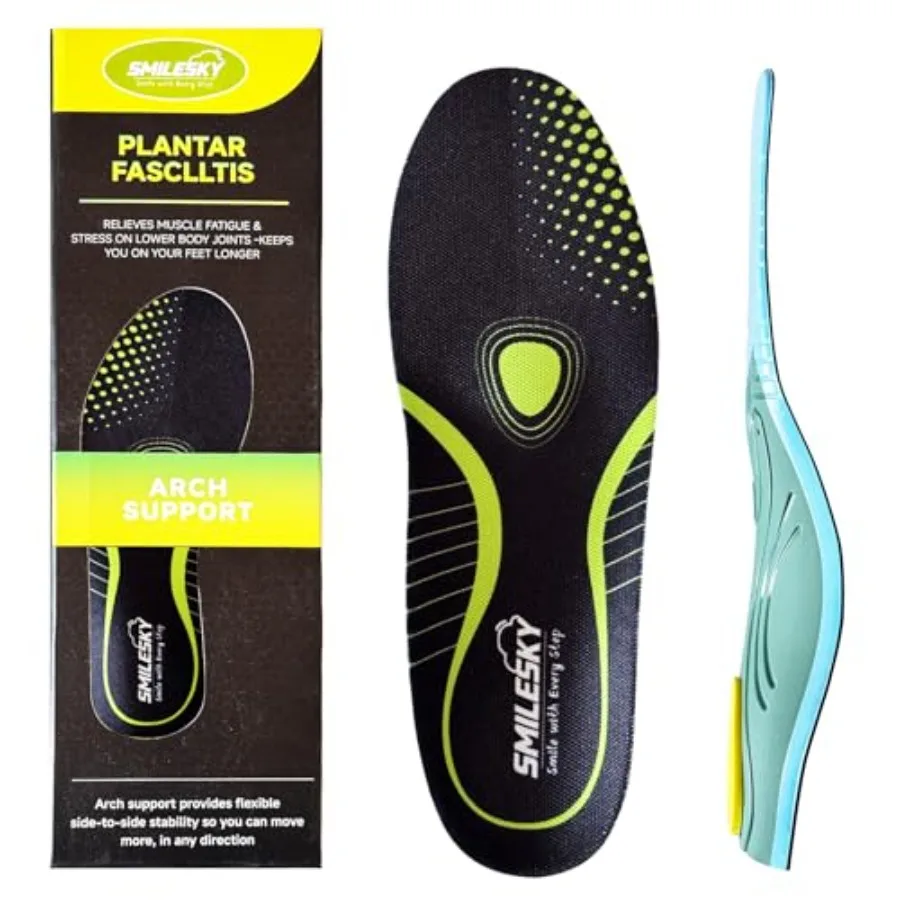
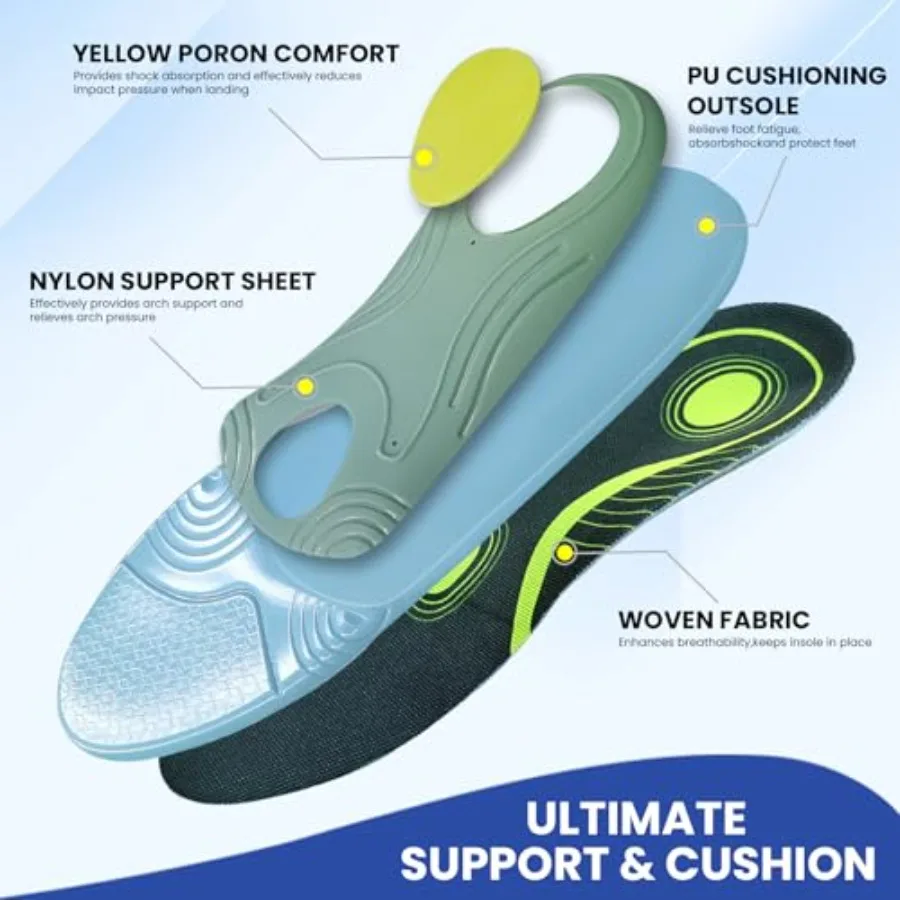
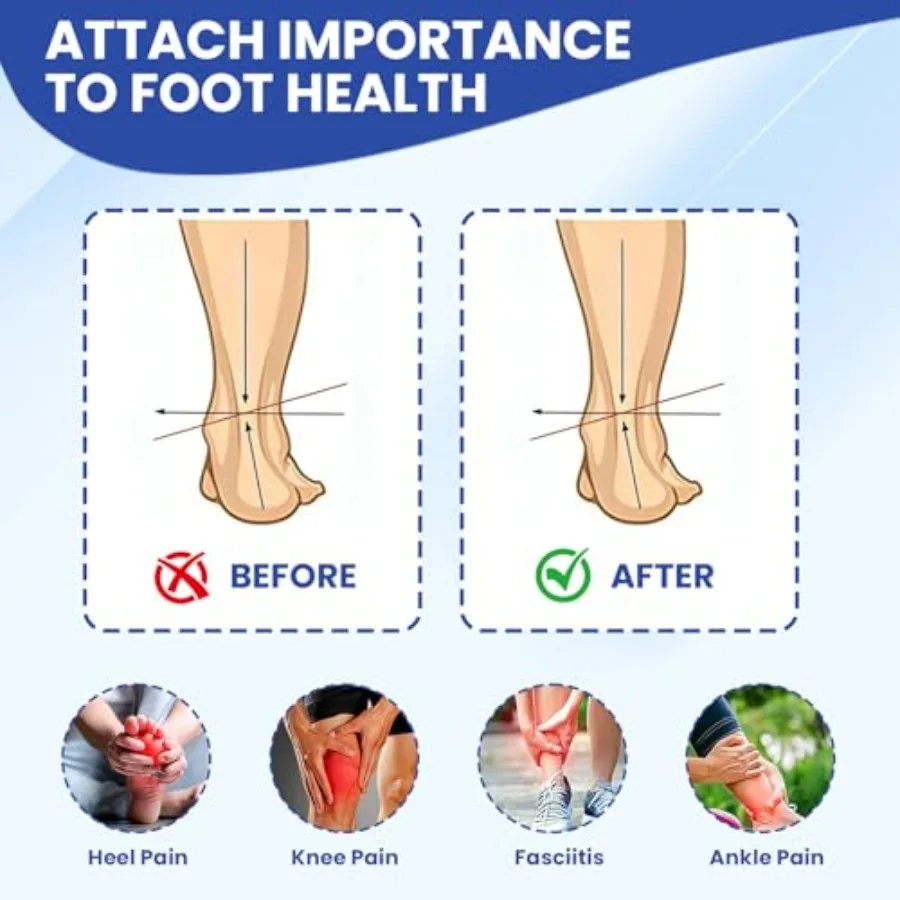
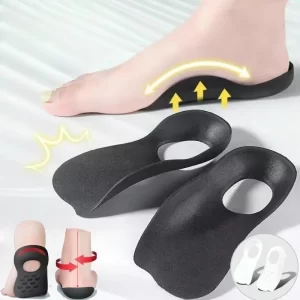
A soft insole feels good in the shop and does nothing for a collapsing arch, because foam simply compresses under exactly the load it’s meant to resist. Genuine arch support needs a semi-rigid structure that holds its shape against bodyweight. That’s what changes the loading pattern in a flat foot or an overpronating gait — and it’s why these will feel firmer, and a little strange, for the first week.
Key Benefits
- Semi-rigid arch support that holds its shape under bodyweight
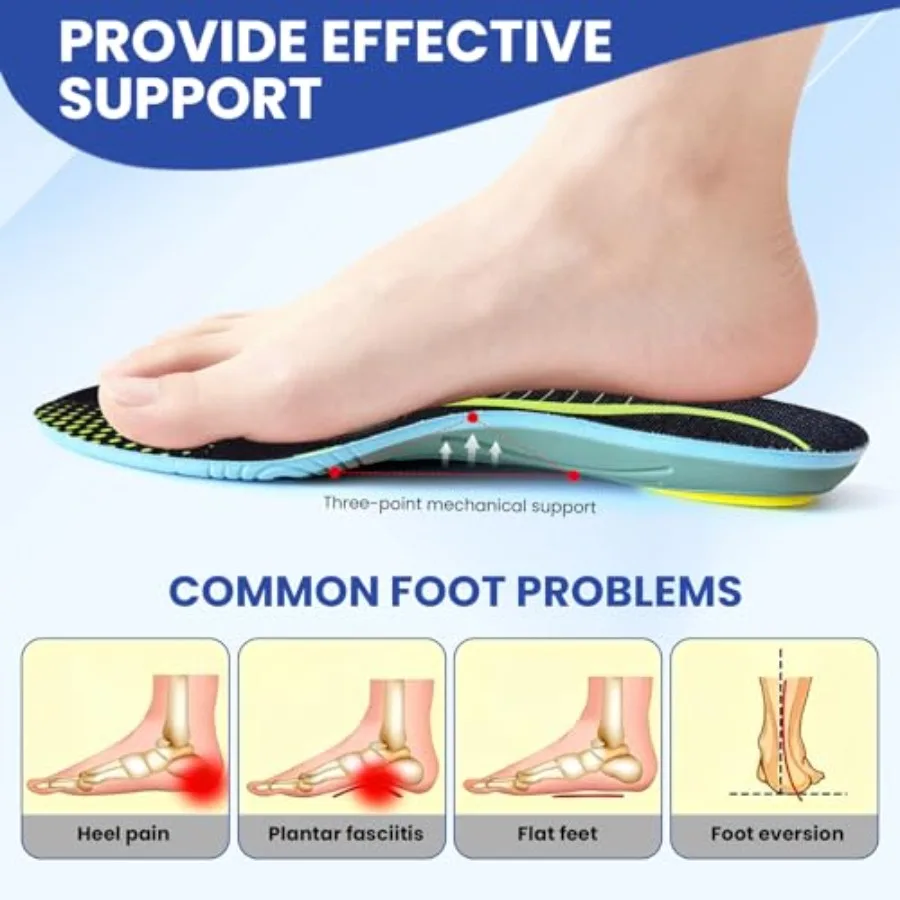
- Addresses overpronation — the inward roll that flat feet tend toward
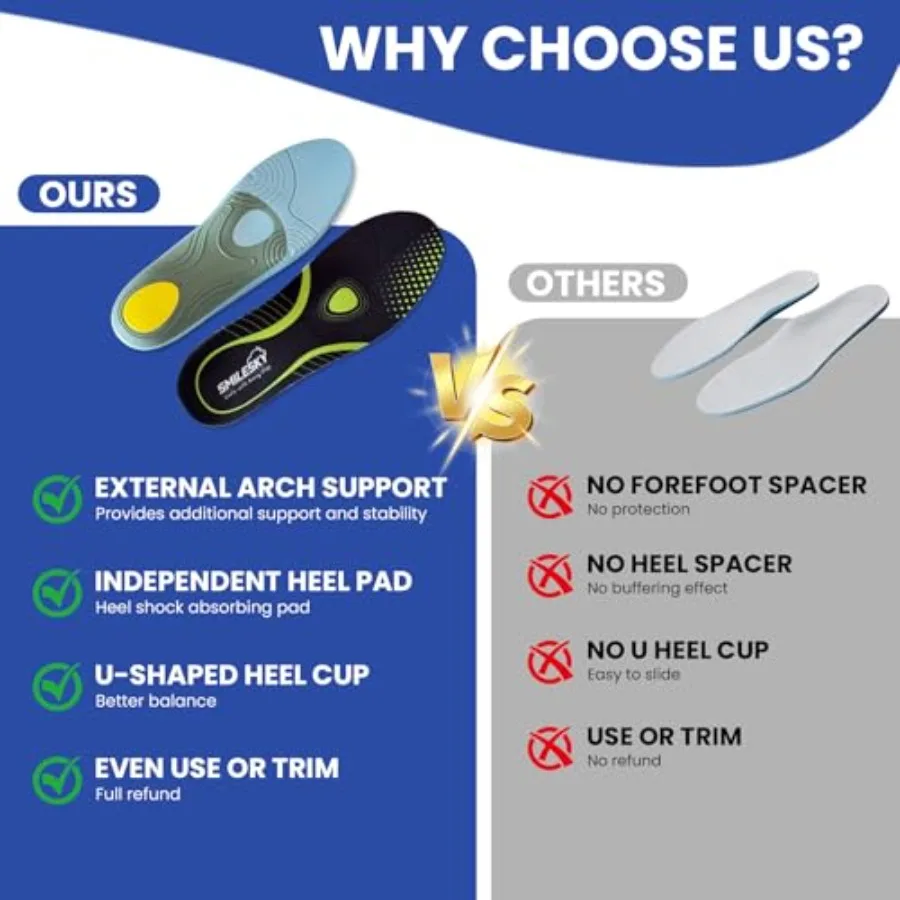
- Deep heel cup to cradle the heel fat pad
- Commonly used for plantar fasciitis and arch fatigue
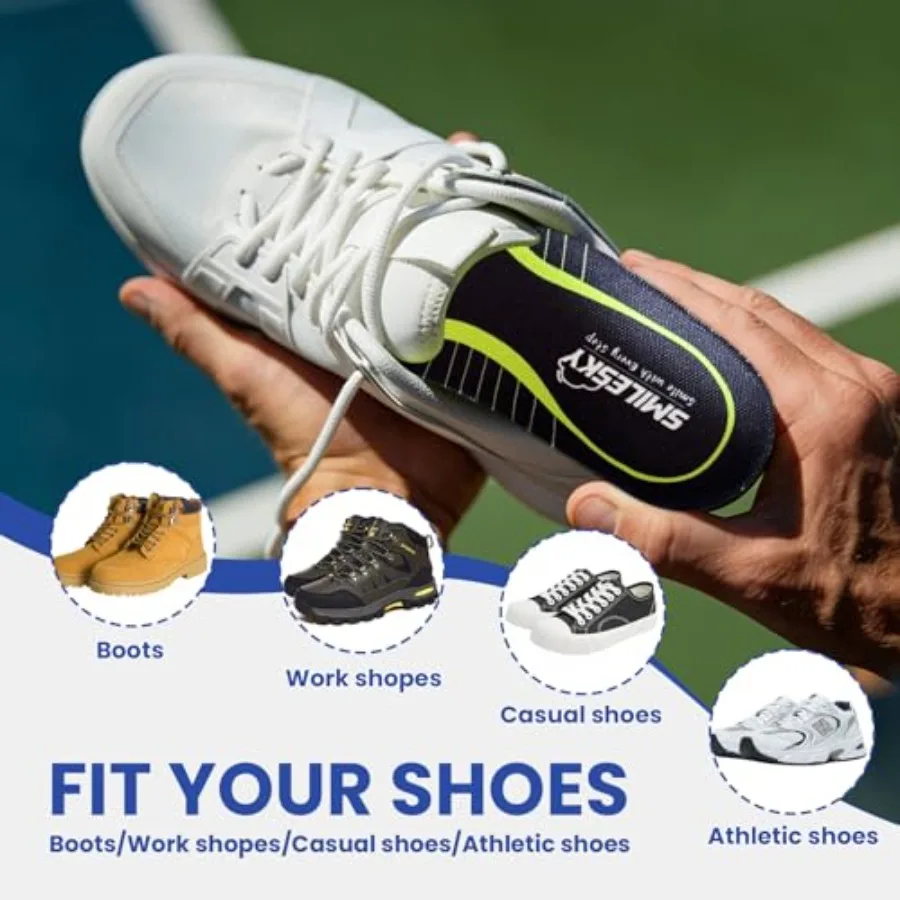
- Trimmable to fit most shoes
- Men’s and women’s sizes
How to Use
Remove the shoe’s existing insole and replace it — never layer. Trim to size along the guide lines. Expect a break-in period. If you’ve never worn arch support, start with 2 to 3 hours a day and build up over a week or two; going straight to full-day wear commonly causes arch ache. Mild adjustment discomfort is normal — persistent pain is not, and means the support is wrong for your foot. If you have a diagnosed foot condition, get advice before self-prescribing orthotics.
Specifications
| Type | Arch support orthotic insoles |
|---|---|
| Arch | Semi-rigid structured support |
| Heel | Deep heel cup |
| Trimmable | Yes |
| Sizes | Men’s and women’s |
| Break-in | Start at 2–3 hours daily, build over 1–2 weeks |
| Best for | Flat feet, overpronation, plantar fasciitis, arch fatigue |
| Fitting | Replace the existing insole — do not layer |
Care & Maintenance
Remove and air regularly. Wipe with a damp cloth. Do not machine wash.
What’s in the Box
1 × Pair of Arch Support Insoles
Reviews
There are no reviews yet.