Why Compressing the Calf Actually Changes How It Feels
Every time your foot strikes the ground, the soft tissue of the calf oscillates — it wobbles, briefly, on impact. Multiply that by thousands of strides and the repeated vibration contributes to muscle fatigue and next-day soreness. External compression damps that oscillation, holding the muscle belly in place through impact. The graduated fit, tighter at the ankle and easing towards the knee, also supports venous return against gravity, which is why compression is standard in post-match recovery. It will not make you faster. It reliably makes long efforts feel less battering.
Key Benefits
- Damped muscle oscillation. Firm circumferential compression limits the vibration of the gastrocnemius and soleus at footstrike — the mechanism behind reduced perceived fatigue on long runs and rides.
- Graduated venous support. A tighter ankle easing to a lighter knee assists blood return, which is why many athletes wear compression for hours after competition, not just during it.
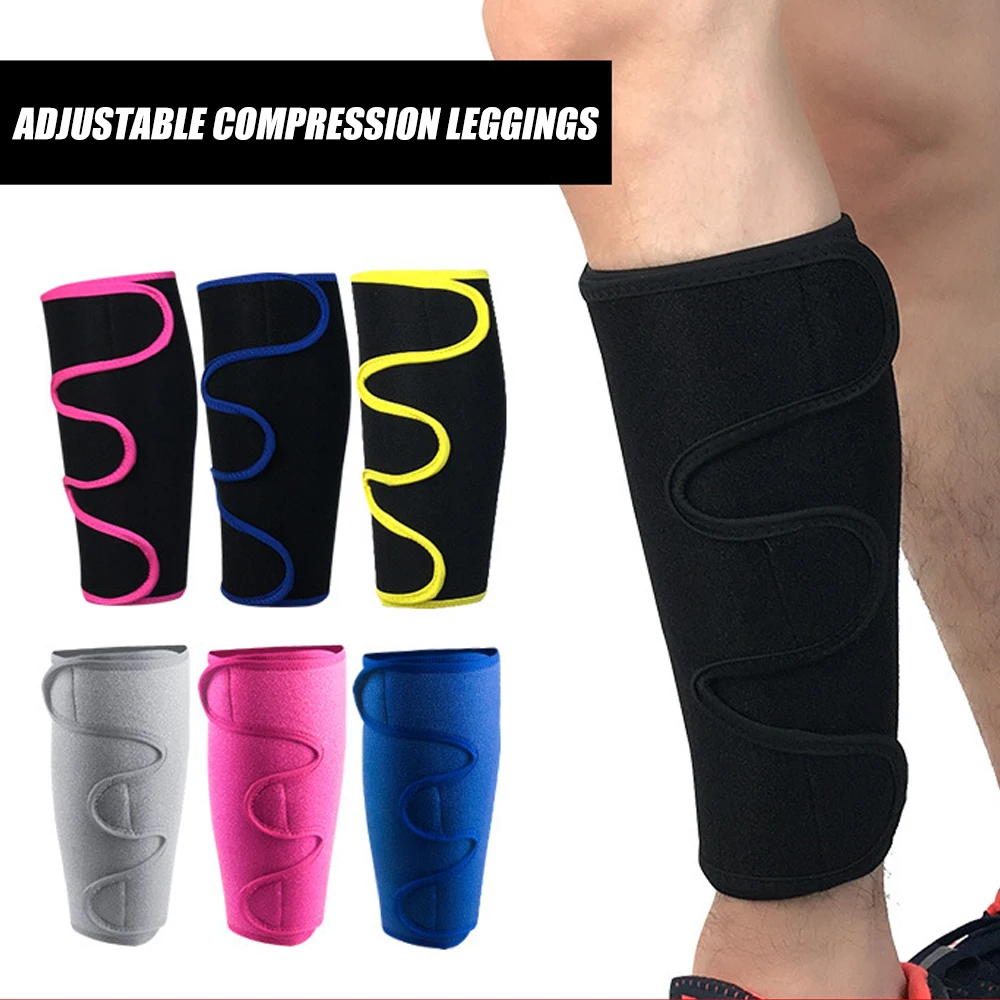
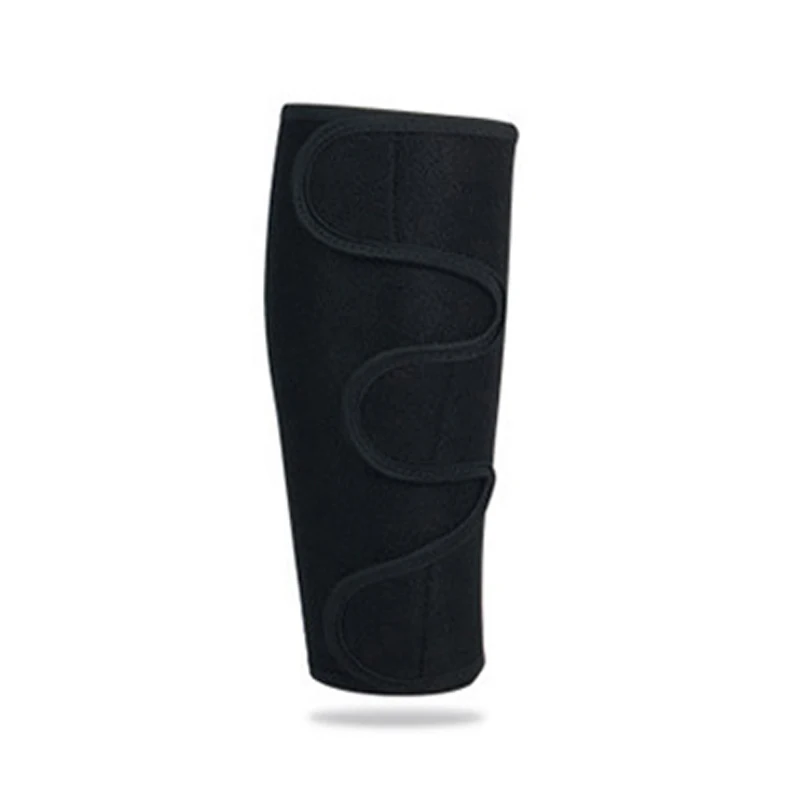
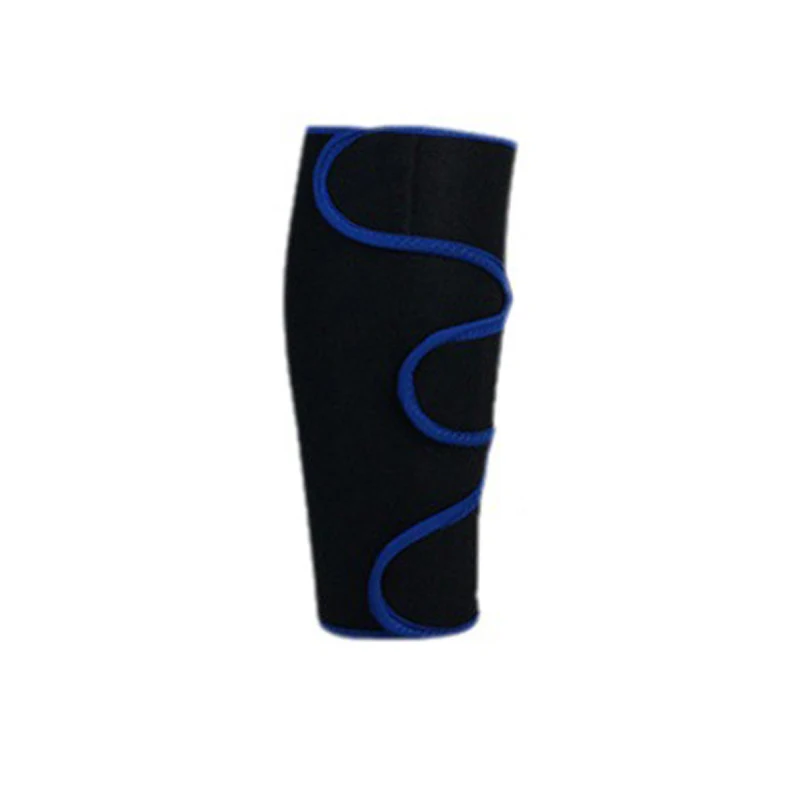
- Adjustable, not one-size-lies-to-everyone. The adjustable closure means you can dial genuine compression rather than accepting whatever a fixed-circumference sleeve gives your specific calf.
- Real shin protection for contact sports. In football and basketball the value is blunt and physical: a padded shin face absorbs kicks, studs, and stray knees that would otherwise bruise the tibia’s exposed anterior edge.
- Warmth for cold starts. Retained heat around the calf keeps the muscle-tendon unit more compliant in cold weather, which matters for anyone with a history of calf strains or Achilles grumbles.
- Wears under kit. Slim enough to sit under football socks or cycling bibs without bunching, so it does not force a wardrobe decision.
How to Use
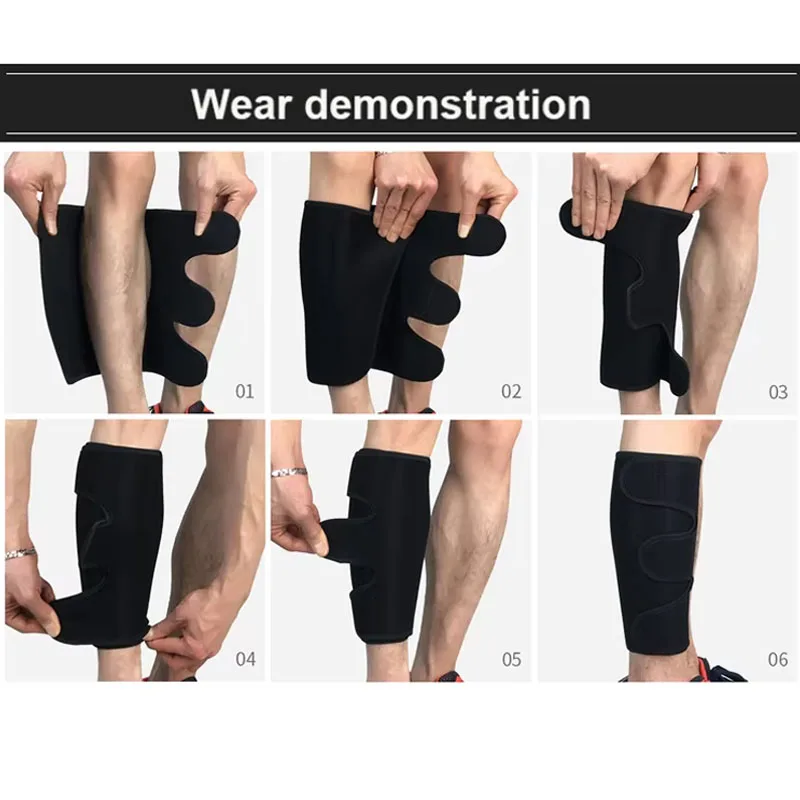
Roll the sleeve on from the ankle upward rather than yanking it from the top — pulling from the cuff stretches out the elastic and ruins the graduated profile. Position the padded section over the front of the shin, centred on the bony ridge, then tighten the adjustable straps until the sleeve feels firm and evenly supportive. It should feel snug, never constricting. Safety: if you get numbness, pins and needles, colour change in the foot, or throbbing, it is too tight — take it off and refit looser. Do not wear compression garments over an open wound, an active skin infection, or a fresh unassessed injury, and speak to a doctor before using compression if you have peripheral arterial disease, diabetes with neuropathy, or a history of DVT. Compression is not a substitute for diagnosing calf pain that keeps coming back.
Specifications
| Product type | Adjustable calf compression sleeve with integrated shin guard |
|---|---|
| Compression style | Graduated (firmer at ankle, easing toward knee) |
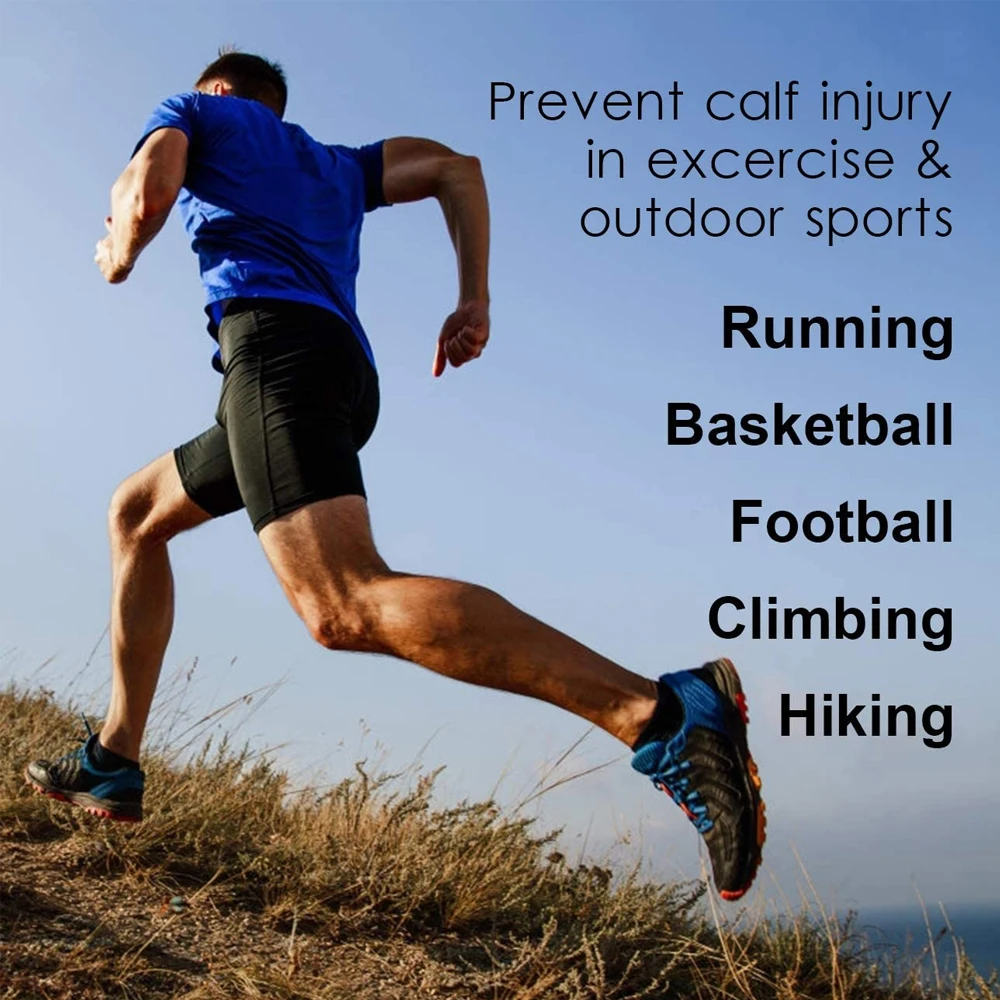
| Primary sports | Football, basketball, cycling, running, weightlifting |
| Adjustability | Adjustable strap closure |
| Wear position | Calf and anterior shin |
| Sold as | Pair (variant dependent) |
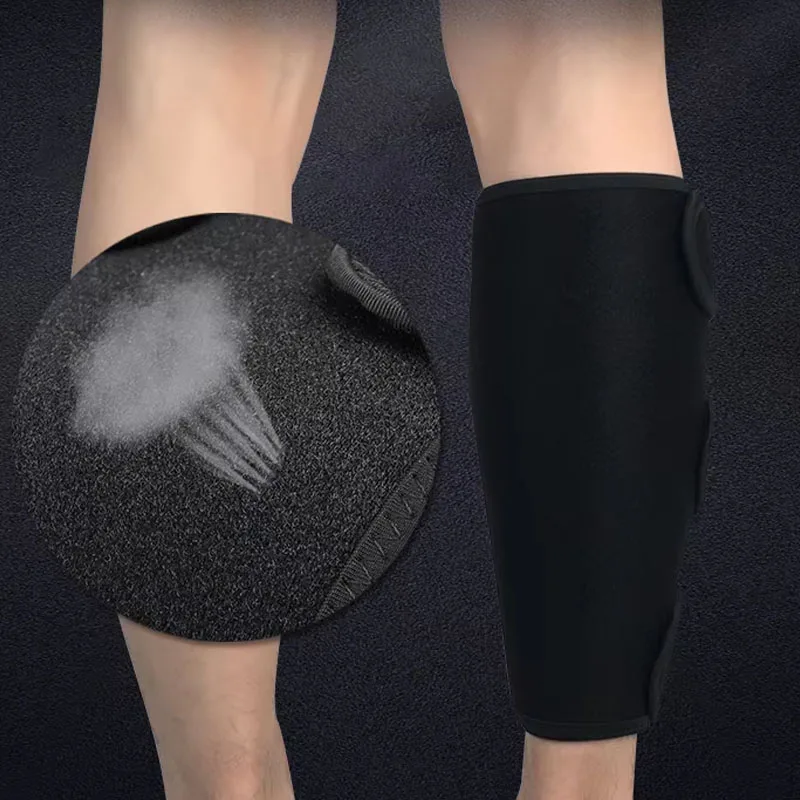
| Fabric | Elastic compression knit with padded shin panel |
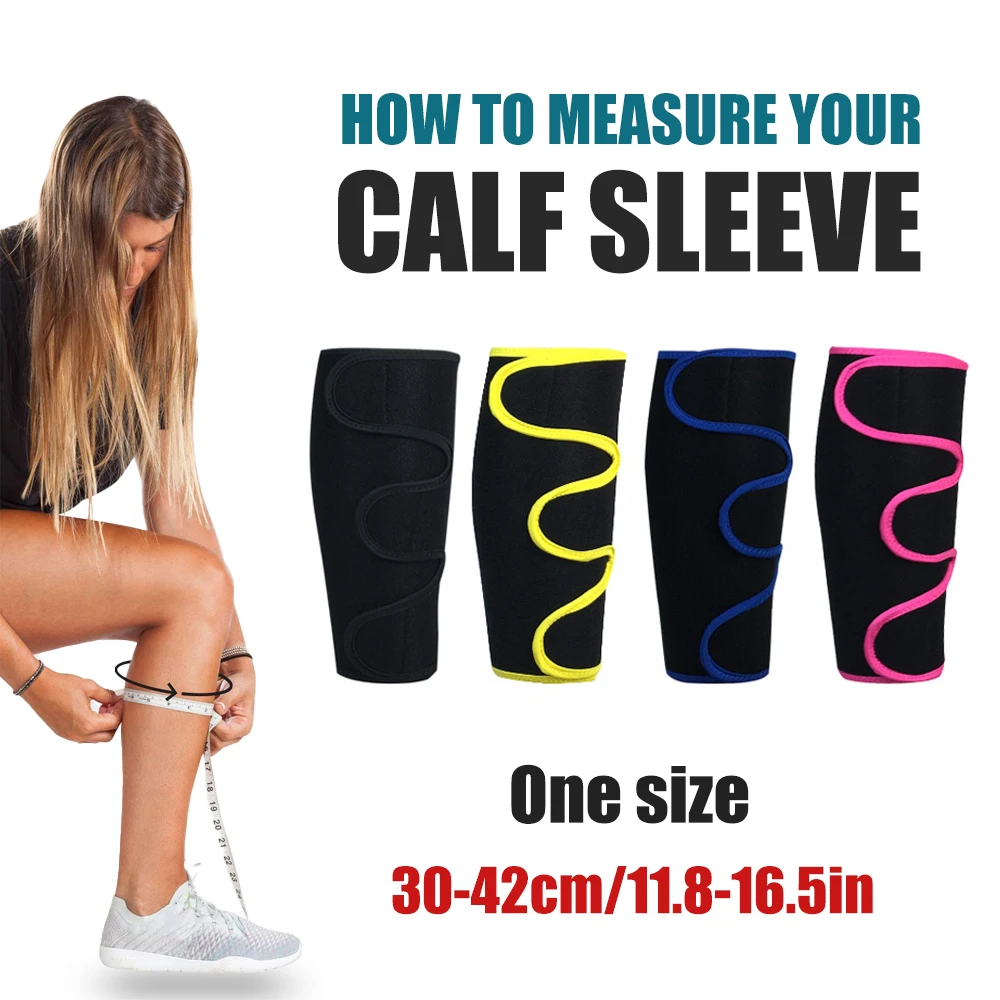
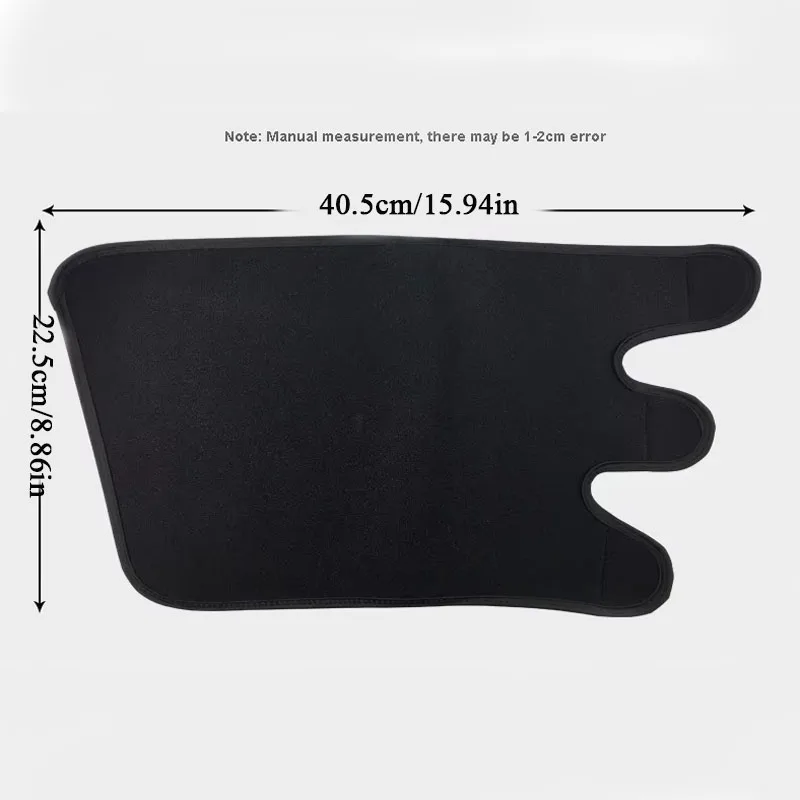
| Size / colour | Variant dependent — measure calf circumference at its widest point |
| Machine washable | Yes, cold, gentle cycle |
Care & Maintenance
Wash after every session — sweat degrades elastane over time and compression sleeves worn dirty are a fast track to folliculitis. Cold machine wash on a gentle cycle or hand wash, mild detergent only. Never use fabric softener or bleach: softener coats the elastic fibres and permanently reduces compression, which is the whole product. Air-dry flat and out of direct sun; a tumble dryer will kill the elastane. Replace the sleeve when it no longer snaps back to shape — a sleeve that slides down is providing decoration, not compression.
What’s in the Box
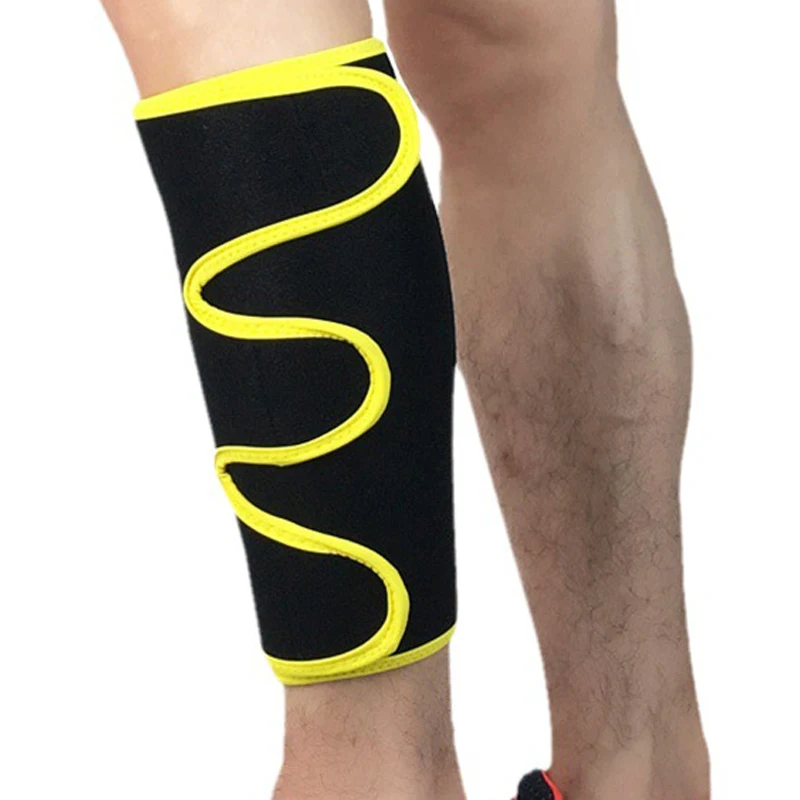
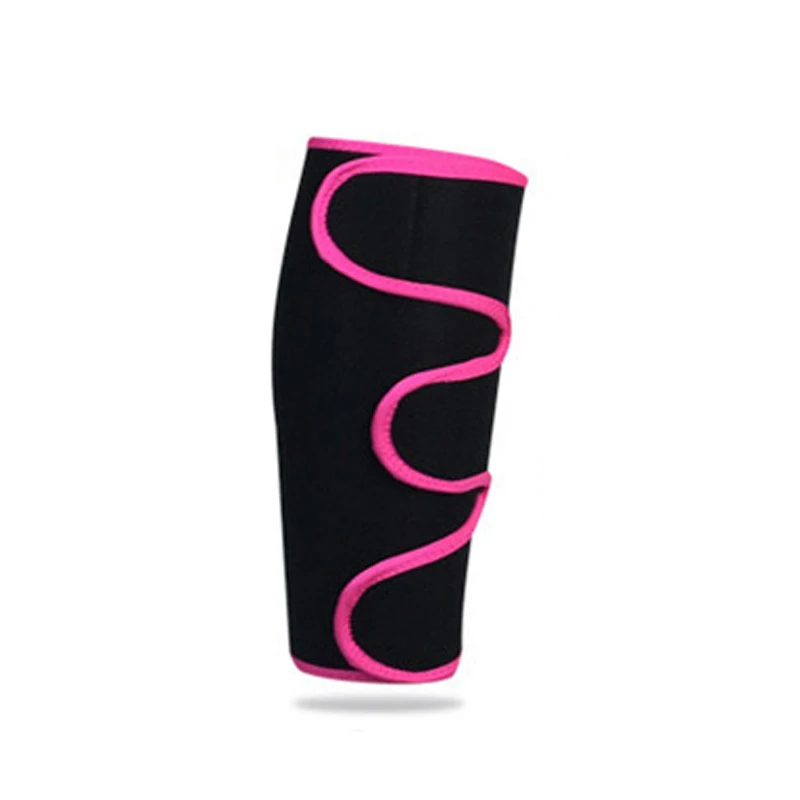
Calf compression sleeves with adjustable shin support. Quantity, size and colour are variant dependent — confirm your selection at checkout.
Reviews
There are no reviews yet.