Home Gym Equipment
Home gym equipment is what you buy once you know you will keep training — the mats, machines, platforms and pull-up frames that make a room usable rather than just possible. This collection holds 59 products across cardio steppers, exercise machines, flooring, suspension trainers and gym accessories.
Before you buy anything large, measure the space with the equipment in use, not folded. A folding bike needs the floor in front of it; a pull-up bar needs clearance above and behind your head.
Planning a home gym in a small space
Work out the footprint first and the wish list second. A functional home gym fits in about 6ft x 6ft if you choose equipment that stores vertically or folds, and the floor matters more than the machines — interlocking mats protect the surface underneath, cut noise for anyone below you, and make floor work bearable.
What each piece actually needs
| Equipment | Floor space in use | Stored | Noise |
|---|---|---|---|
| Interlocking mats | What you cover | Flat, stackable | None |
| Step platform | 3ft x 1.5ft | Under a bed | Low |
| Folding exercise bike | 4ft x 2ft | Upright, 1ft x 2ft | Low |
| Doorway pull-up bar | None | Hangs on the door | Low |
| Suspension trainer | 6ft x 3ft | A pouch | None |
Door-frame pull-up bars: check before you buy
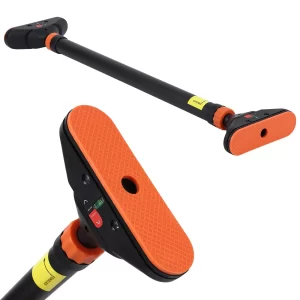
Leverage-mount bars need a door frame with at least 6in of flat trim above the opening, a frame width between 24in and 36in, and solid construction — they push against the wall above the door, so hollow plasterboard trim is a genuine failure risk. Check the door width and the trim depth before ordering.
Flooring: why it is the first purchase
Mats do three jobs at once: they protect the floor from dropped weights, absorb impact so downstairs neighbours do not hear you, and give a defined surface that makes it psychologically easier to start. EVA interlocking tiles at 10–20mm cover most home use; go thicker under any weight that gets dropped.
Frequently asked questions
What do I actually need to start a home gym?
A mat, a set of resistance bands and one pair of dumbbells. That is enough for a complete full-body programme and costs under $150. Add a pull-up bar or suspension trainer once you are training consistently.
How thick should home gym flooring be?
10mm is enough for bodyweight and band work. 20mm or more if you use dumbbells, kettlebells, or train on an upper floor where impact noise carries.
Are suspension trainers worth it?
For bodyweight training in a small space, yes. One anchor point gives you rows, presses, lunges and core work, and the whole thing packs into a bag. They do not replace external load if your goal is maximum strength.
Will a folding exercise bike hold up to daily use?
Check the stated user weight limit and the flywheel weight. Light folding bikes are built for moderate, regular use rather than hard interval training. If you plan to sprint on it several times a week, buy up.
How do I keep a home gym quiet?
Thick mats, no dropped weights, and equipment with a belt drive rather than a chain. Most complaints from neighbours are impact noise through the floor, not the machine itself.
Showing 1–12 of 59 results
-
Cardio & Step Platforms
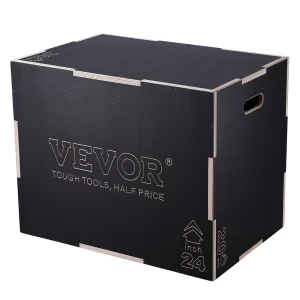
3-in-1 Wooden Plyo Box – Plyometric Jump Box for Conditioning & Strength
Price range: $83.99 through $188.99 Select options This product has multiple variants. The options may be chosen on the product page -
Cardio & Step Platforms
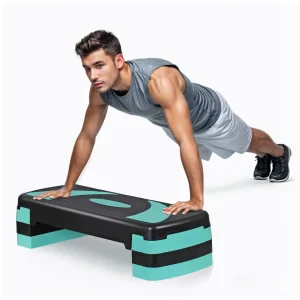
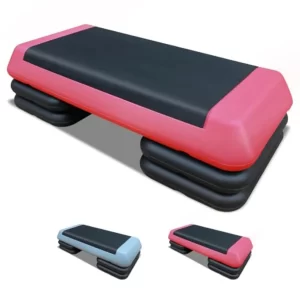
31″ Adjustable Aerobic Step Platform – 4″/6″/8″ Risers, Home Cardio Trainer
$47.99 Add to cart -
Exercise Mats & Flooring
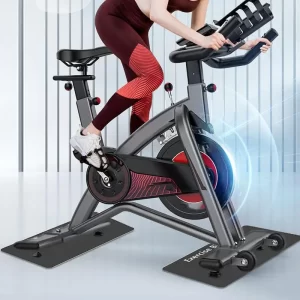
3mm Treadmill & Bike Mat, Set of 2 – Non-Slip Gym Equipment Floor Mats
$21.99 Add to cart -
Exercise Mats & Flooring
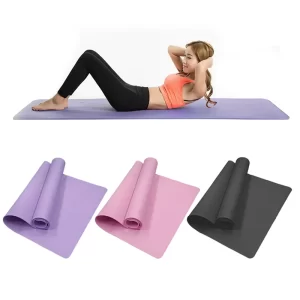
4mm EVA Yoga Mat – Anti-Slip Exercise Mat for Yoga & Pilates
$14.99 Select options This product has multiple variants. The options may be chosen on the product page -
Gym Accessories
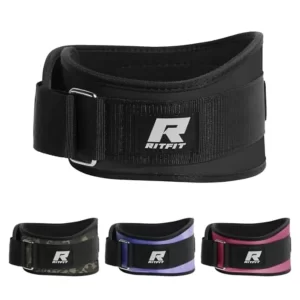
6-Inch Weight Lifting Belt – Squat, Deadlift & Overhead Support Belt
$158.99 Select options This product has multiple variants. The options may be chosen on the product page -
Cardio & Step Platforms
Adjustable Aerobic Step Platform 28.5″ – 4/6/8in Risers for Cardio & HIIT
$98.99 Select options This product has multiple variants. The options may be chosen on the product page -
Gym Accessories
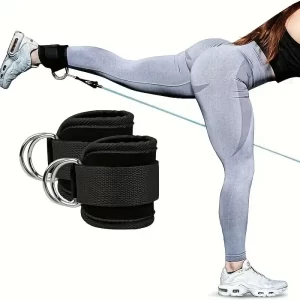
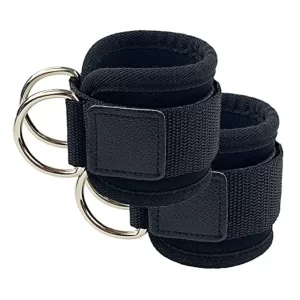
Adjustable Ankle Cuffs – Cable Machine Straps for Glute & Thigh Training
$18.99 Add to cart -
Home Gym Equipment
Adjustable Doorway Pull-Up Bar – 69–92cm Width, 200kg Capacity
$67.99 Select options This product has multiple variants. The options may be chosen on the product page -
Exercise Machines
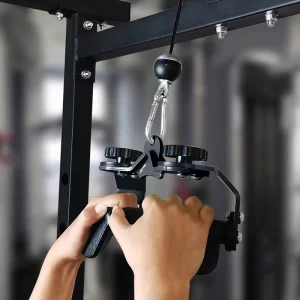
Adjustable Lat Pulldown Bar – Cable Machine Attachment for Lats, Rows & T-Bar Work
$63.99 Select options This product has multiple variants. The options may be chosen on the product page -
Home Gym Equipment
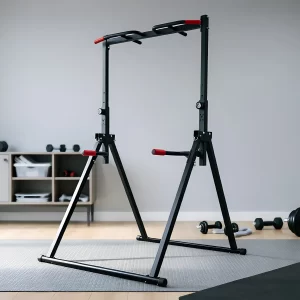
Adjustable Pull-Up Bar Station – Foldable 200kg Frame with Parallel Bars
$217.99 Select options This product has multiple variants. The options may be chosen on the product page -
Gym Accessories
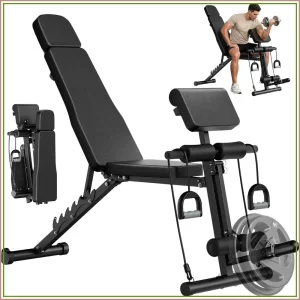
Adjustable Weight Bench – Foldable Incline Decline Flat with Leg Extension
$169.99 Add to cart -
Gym Accessories
Ankle Straps for Cable Machine – Padded Cuffs for Glute Kickbacks (Pair)
$16.99 Select options This product has multiple variants. The options may be chosen on the product page