Yoga & Stretching
Yoga and stretching equipment exists to close the gap between the position your body can reach today and the one the pose asks for — a block brings the floor up to your hand, a strap lengthens your arm, a wheel supports a backbend you cannot yet hold. This collection holds 101 mats, blocks, straps, wheels and stretching aids for yoga, Pilates and general mobility work.
If you are starting out, a mat and two blocks cover almost every beginner class. A strap is the third thing to buy, and it is the one that makes hamstring and shoulder work possible.
How to choose yoga and stretching equipment
Choose by the style of practice, not by the aesthetics. Fast, sweaty flow needs grip and cushioning; slow restorative work needs props that hold a shape under bodyweight; mobility training needs a strap and something to lever against.
Mat thickness
| Thickness | Feels like | Best for |
|---|---|---|
| 2–3mm | Firm, close to the floor | Travel, balance work, standing flow |
| 4–6mm | The standard | General yoga, most home practice |
| 8–15mm | Cushioned | Knees and wrists that complain, Pilates, floor work |
Blocks, straps and wheels
- Blocks — foam is light and forgiving; cork is heavier, firmer and better for standing on. Buy two, not one.
- Straps — a 6ft cotton strap with a D-ring covers hamstrings, shoulders and hip work for almost anyone; 8ft if you are over 6ft tall.
- Wheels — 12in is the standard for backbends; 10in gives a sharper, more targeted stretch through the thoracic spine.
- Bolsters and blankets — for restorative and yin practice, where you hold shapes for minutes rather than breaths.
How often should you stretch?
Short and daily beats long and weekly for flexibility. Five to ten minutes a day of held stretches, 30–60 seconds per position, produces more lasting range of motion than one long session a week. Stretch warm muscles — after training, or after a few minutes of movement — rather than cold ones.
Frequently asked questions
What thickness yoga mat should I buy?
6mm is the safe default. Go thinner (3mm) if you do a lot of standing balance work and want to feel the floor; go thicker (8mm or more) if your knees or wrists hurt on a standard mat, or if you mostly do floor-based Pilates.
Do I need yoga blocks as a beginner?
Yes, and they help beginners most. Blocks let you hold correct alignment in poses your current range cannot reach, which is how the range actually improves. Two blocks, foam or cork, is the standard pairing.
TPE, PVC or natural rubber — which mat material?
TPE is light, recyclable and mid-grip. PVC is the cheapest and most durable but the least eco-friendly. Natural rubber has the best grip when you sweat and the strongest smell for the first week. For hot yoga, choose rubber or a mat with a microfibre top.
Does a yoga wheel actually help?
For opening the thoracic spine and chest after long hours seated, yes — it supports the weight of your upper body so you can hold an extension you could not hold unaided. It is a comfort and mobility tool, not a spinal treatment.
How do I stop my mat from slipping?
Wash new mats before first use to remove the manufacturing film, use a towel over the mat if you sweat heavily, and clean with a diluted vinegar solution rather than oil-based sprays, which make the surface slicker over time.
Showing 1–12 of 101 results
-
Stretching & Flexibility
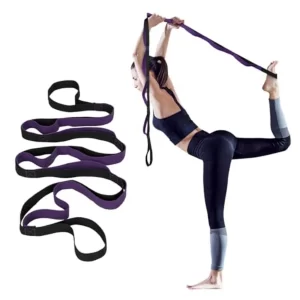
10-Loop Yoga Strap – Stretching Strap with Individual Loops
$16.99 Select options This product has multiple variants. The options may be chosen on the product page -
Stretching & Flexibility
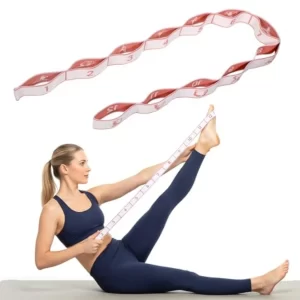
12-Loop Elastic Yoga Strap – Stretching Band for Flexibility
$14.99 Select options This product has multiple variants. The options may be chosen on the product page -
Stretching & Flexibility
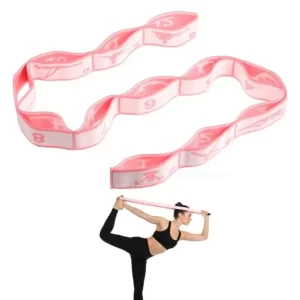
12-Loop Yoga Stretching Strap – Multi-Loop Flexibility Band
$18.99 Select options This product has multiple variants. The options may be chosen on the product page -
Stretching & Flexibility
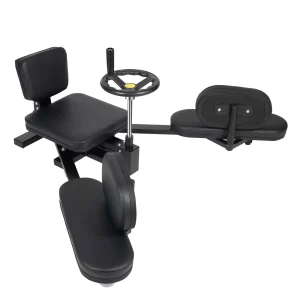
3-Bar Leg Stretcher – Heavy Duty Split Trainer for Ballet, Dance & Martial Arts
$165.99 Select options This product has multiple variants. The options may be chosen on the product page -
Pilates & Balance
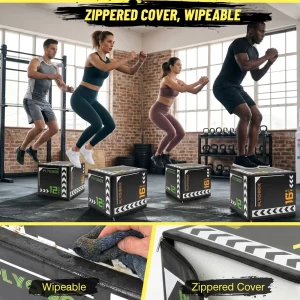
3-in-1 Foam Plyo Box – 12/14/16in Soft Jump Box, Non-Slip
Price range: $138.99 through $435.99 Select options This product has multiple variants. The options may be chosen on the product page -
Pilates & Balance
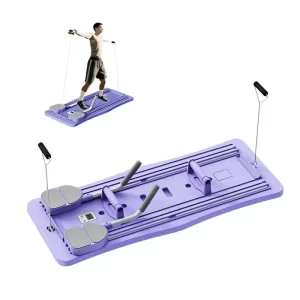
4-in-1 Foldable Pilates Board – Home Exercise Wheel Trainer
$112.99 Select options This product has multiple variants. The options may be chosen on the product page -
Stretching & Flexibility
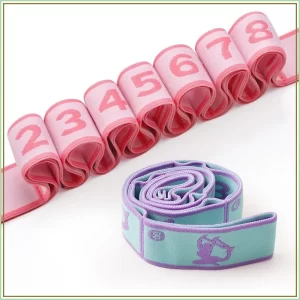
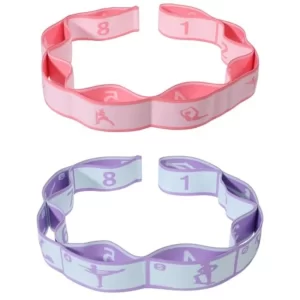
8-Loop Stretching Straps – 2pc Adjustable Yoga Flexibility Set
$27.99 Add to cart -
Pilates & Balance
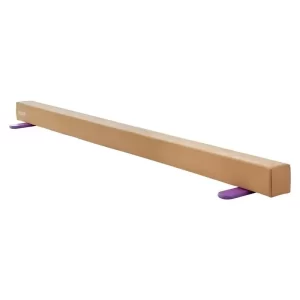
8FT Gymnastics Balance Beam – 350lb Wood-Core Floor Beam with Non-Slip Top
$369.99 Select options This product has multiple variants. The options may be chosen on the product page -
Yoga & Stretching
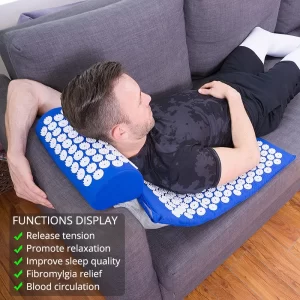
Acupressure Mat & Pillow Set – Back and Neck Massage Mat
Price range: $28.99 through $168.99 Select options This product has multiple variants. The options may be chosen on the product page -
Stretching & Flexibility
Adjustable Stretch Straps – 2pc Elastic Yoga Flexibility Bands
$16.99 Select options This product has multiple variants. The options may be chosen on the product page